
Scaling the Communiversity: SWF’s Global "Cooperative Extensions"
At Land-grant universities, cooperative extensions were created as part of the Smith-Lever Act in 1914 to “take the university to the people” by “sharing research-based knowledge and information” that “turns laboratory discoveries into real-world tools.”
Sweet Water Foundation has flipped this traditional, top-down cooperative extension model on its head. Through the Communiversity, SWF has established regenerative cooperative extensions of its practice by building reciprocal, decentralized networks grounded in Regenerative Education, agroecology, intergenerational/international/interdisciplinary sharing, and collective community labor.
The goal of these global connections is not top-down expansion, but growing impact at S.C.A.L.E.—cultivating Sustainable Collaborations Across Living Ecologies. Throughout the winter, Sweet Water Foundation actively engaged with thinkers, growers, and organizers across the globe. From discussions on creative futures with the Creative Futures Academy (CFA) and the National College of Art and Design (NCAD) in Ireland, to joining leaders in health innovation at the Lake Nona Impact Forum in Florida, SWF’s practice of Regenerative Neighborhood Development (RND) continues to demonstrate how grounded praxis resonates globally.
Below are two major highlights from this winter's cooperative extensions—an international exhibition in Singapore and a cross-city exchange in Boston.
Assembling the Social: Social Design Lab at National University of Singapore
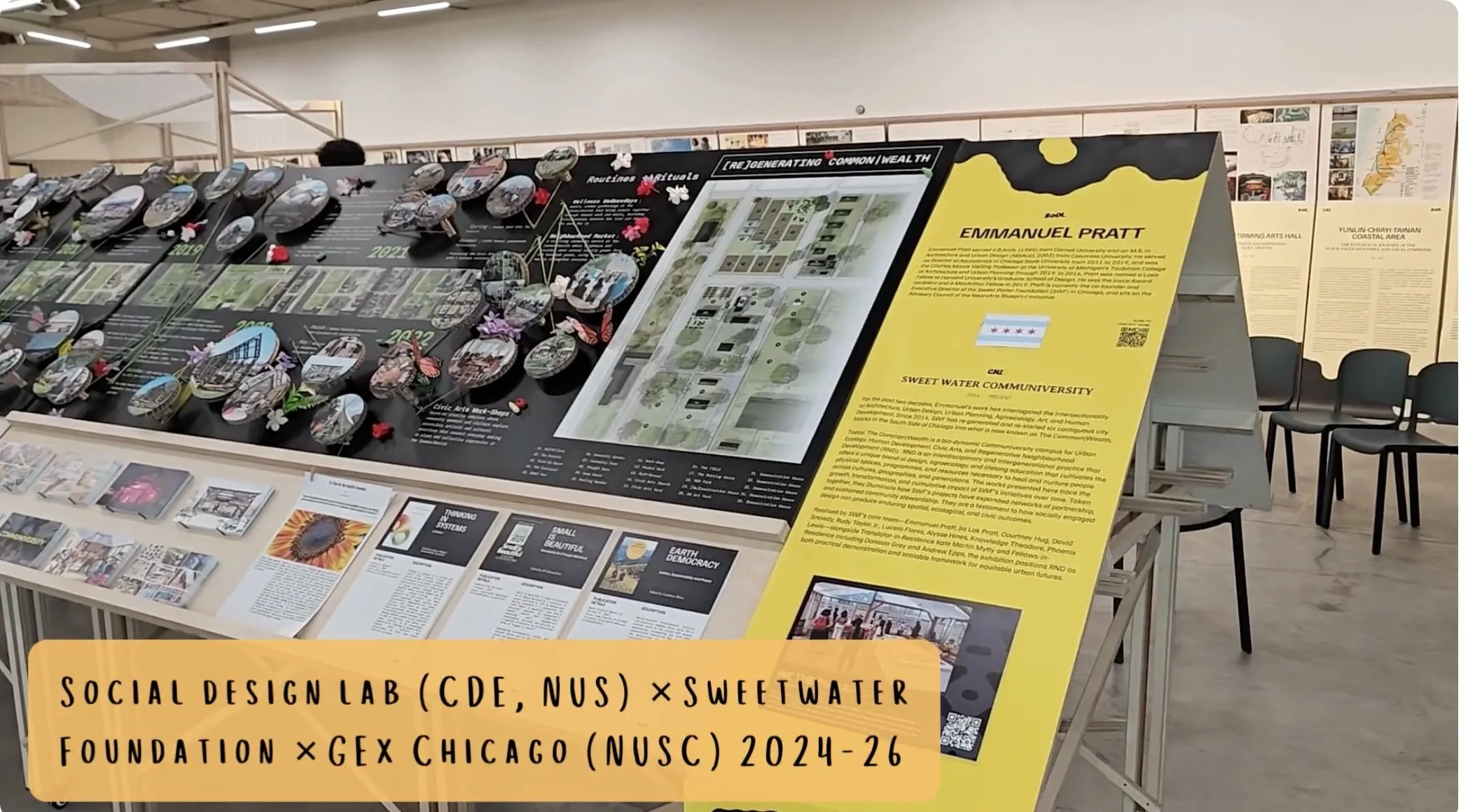
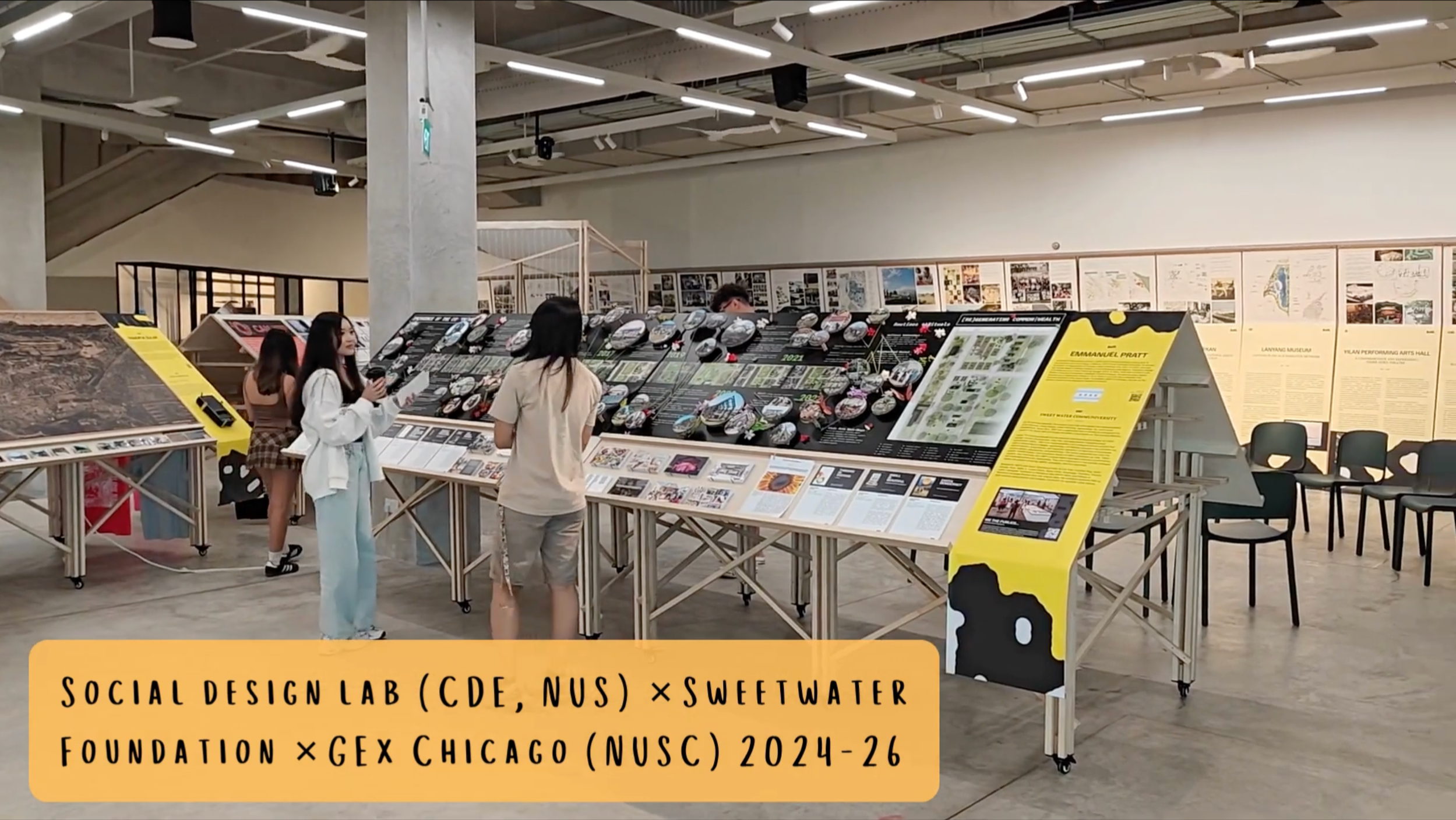
In February 2026, the Social Design Lab (SoDL) at the National University of Singapore (NUS) convened international scholars and practitioners for its conference, "Designing the Social," alongside a month-long exhibition titled "Assembling the Social." Curated to highlight twelve socially engaged architecture practices from across the globe, the exhibition explored how spatial design can reconfigure complex human relationships and empower communities to heal, innovate, and sustain themselves.
Sweet Water Foundation was prominently featured in the exhibition. The display highlighted SWF’s transformation of a once-blighted city block on Chicago’s South Side into The Common|Wealth—anchored by the construction of the Thought Barn in 2017—and showcased the Communiversity as a living educational engine for Regenerative Neighborhood Development. By placing SWF’s work alongside global initiatives, the exhibition illustrated how spatial practice and community-led architecture transcend borders to answer universal questions of urban renewal.
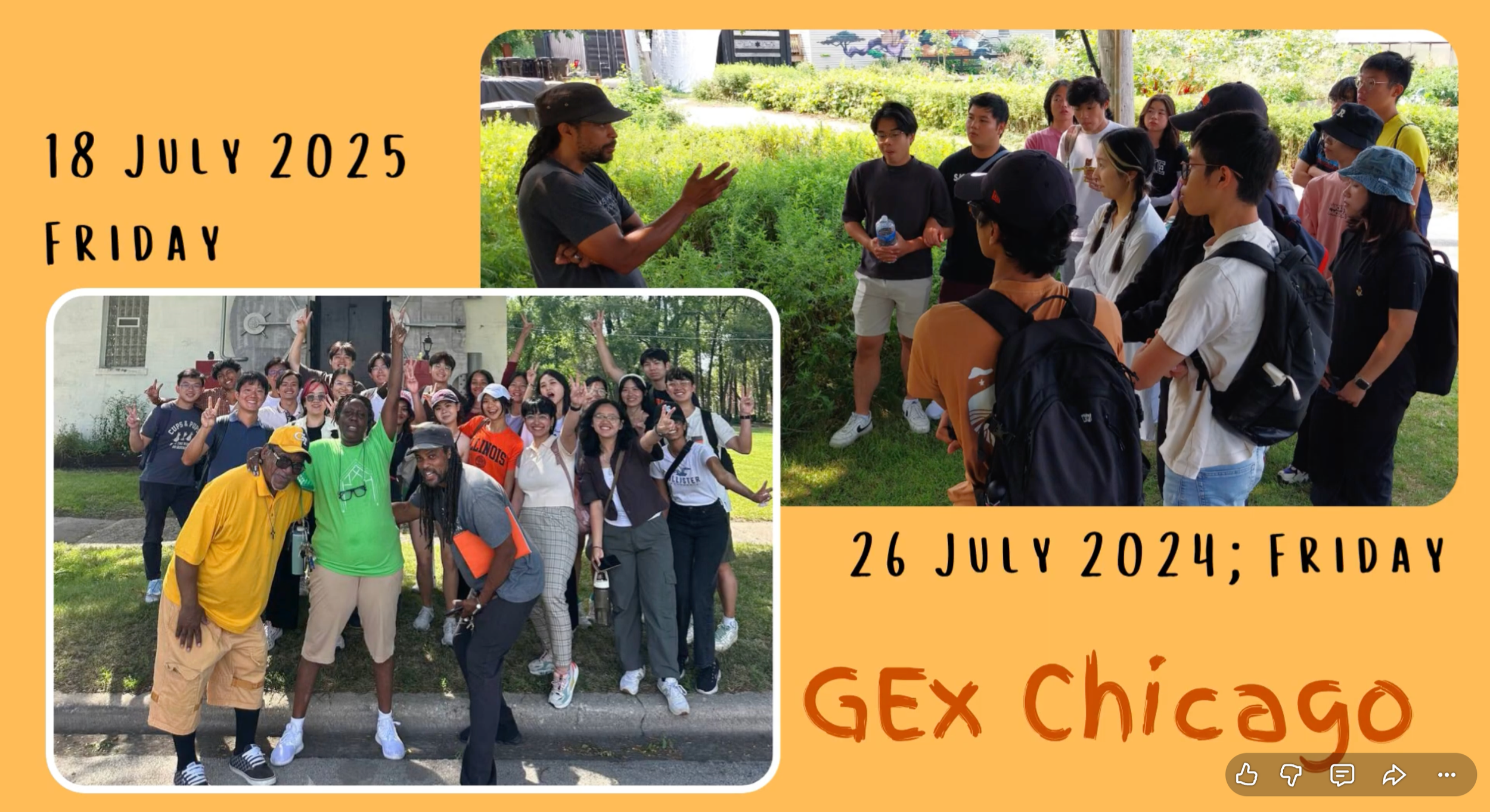
This global recognition was deeply tied to ongoing, on-the-ground relationships. Jerome Kok, lecturer and supervisor of the GX Global Experience Chicago Program at NUS College, has brought cohorts of students to The Common|Wealth for day-long immersions in the summers of 2024 and 2025, with plans to return with a new cohort in June 2026. Seeing SWF featured in Assembling the Social, Jerome recorded a video walkthrough of the exhibition to share with past, present, and future NUS students. His effort serves as another living example of how the Communiversity practices cooperative extension—turning educational exchanges into enduring, cross-cultural relationships that regenerate across years and borders.
Boston to Chicago: Urban Farming & Cross-City Neighborhood Academy
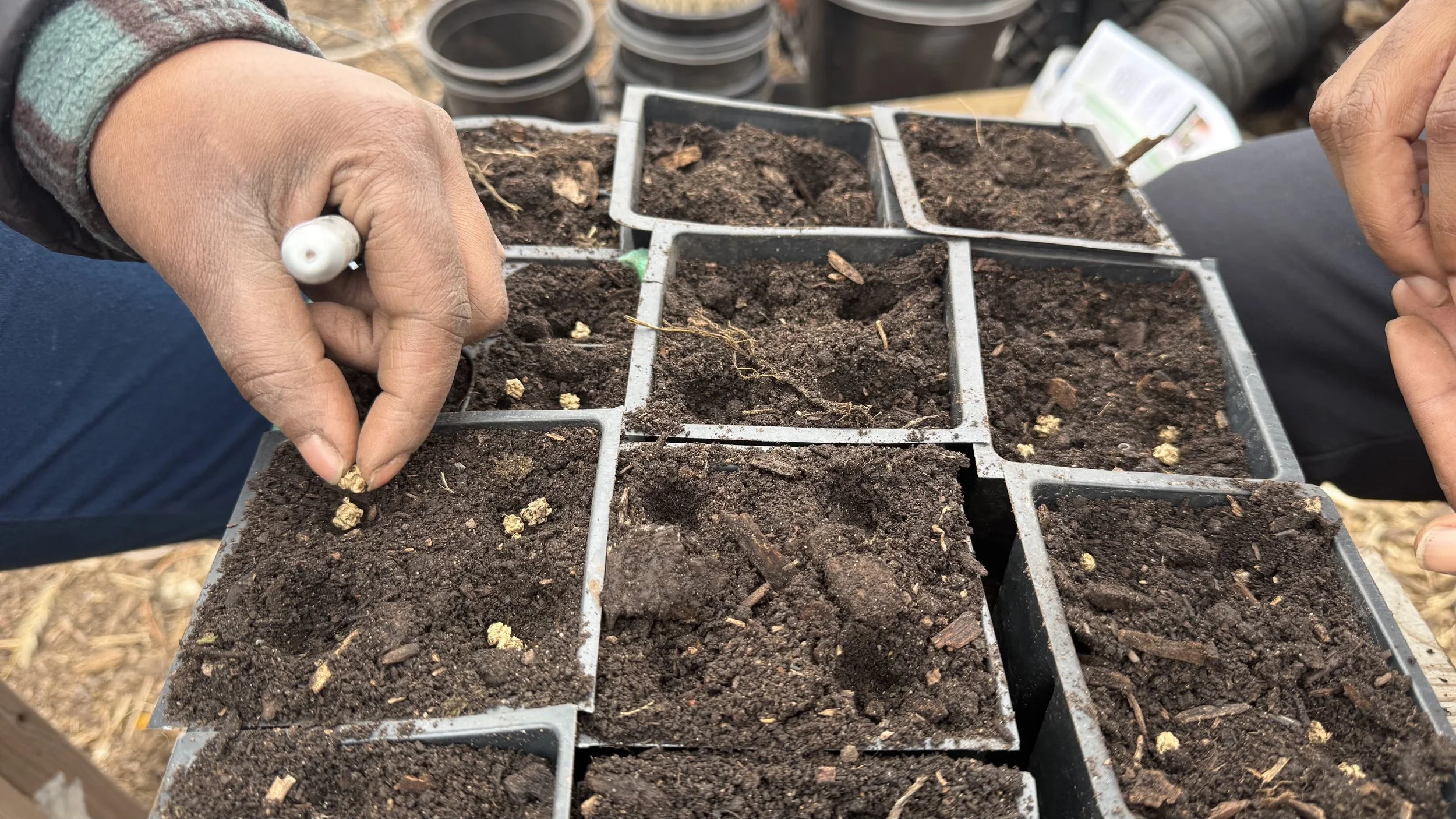
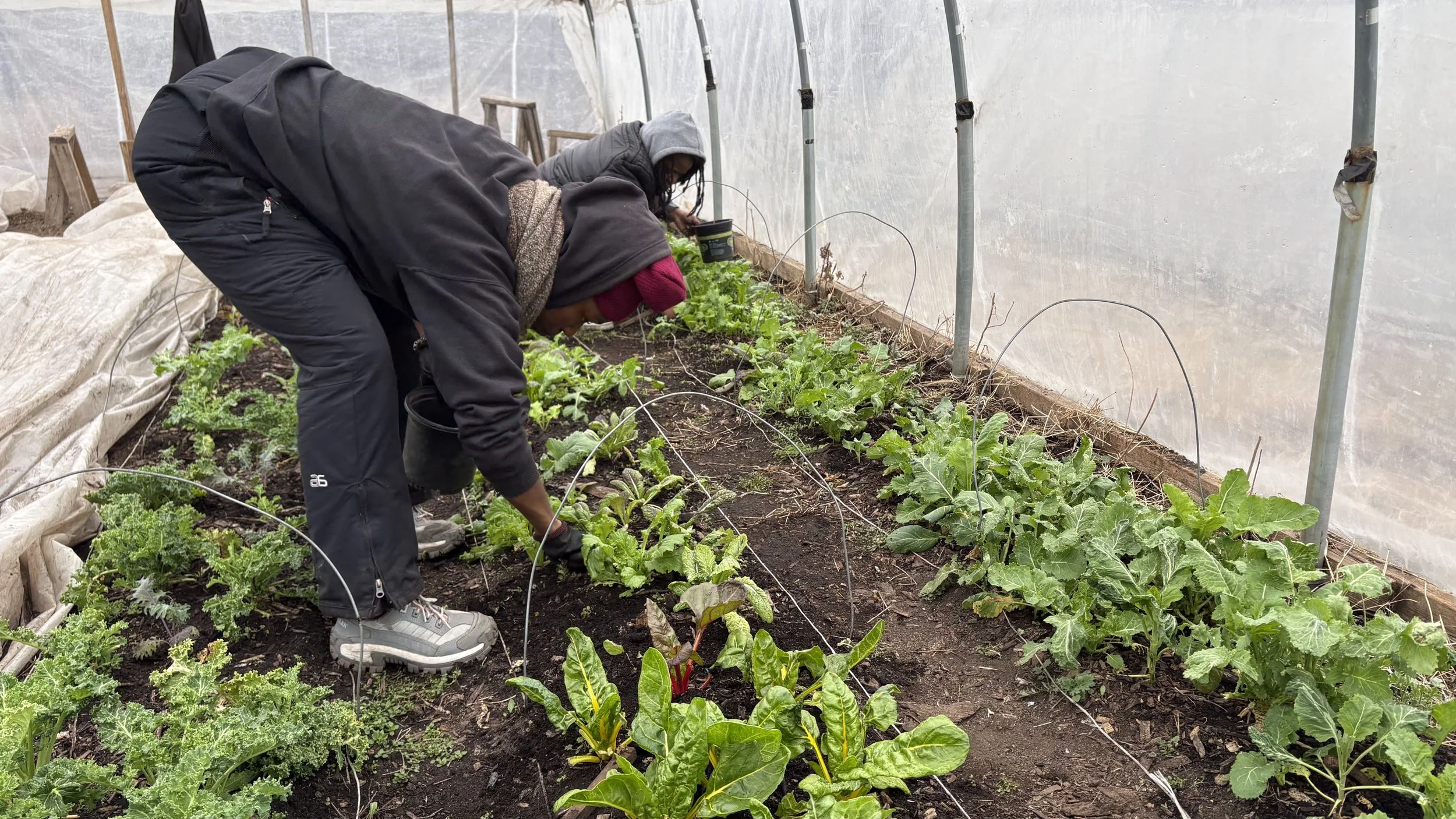
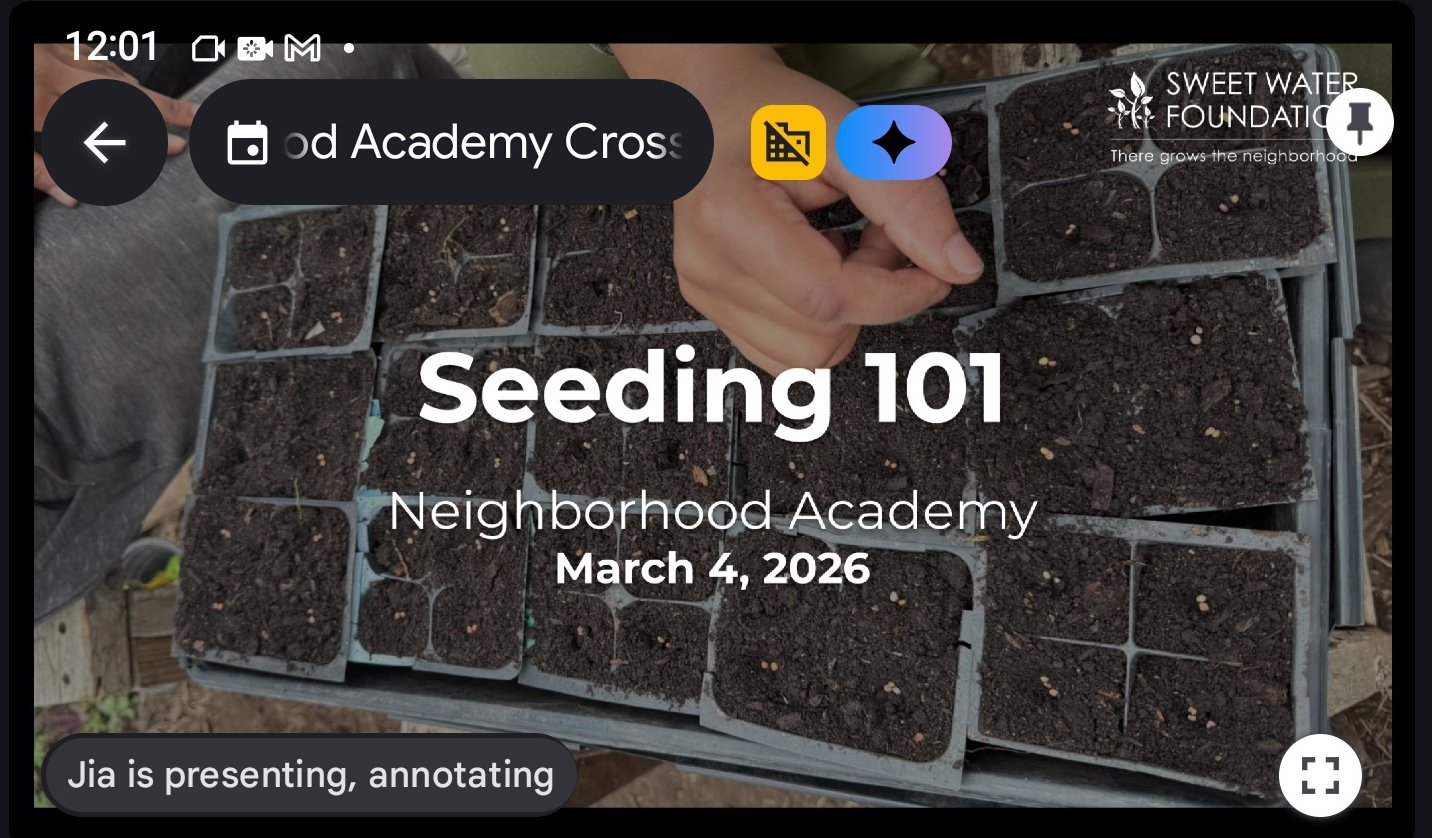
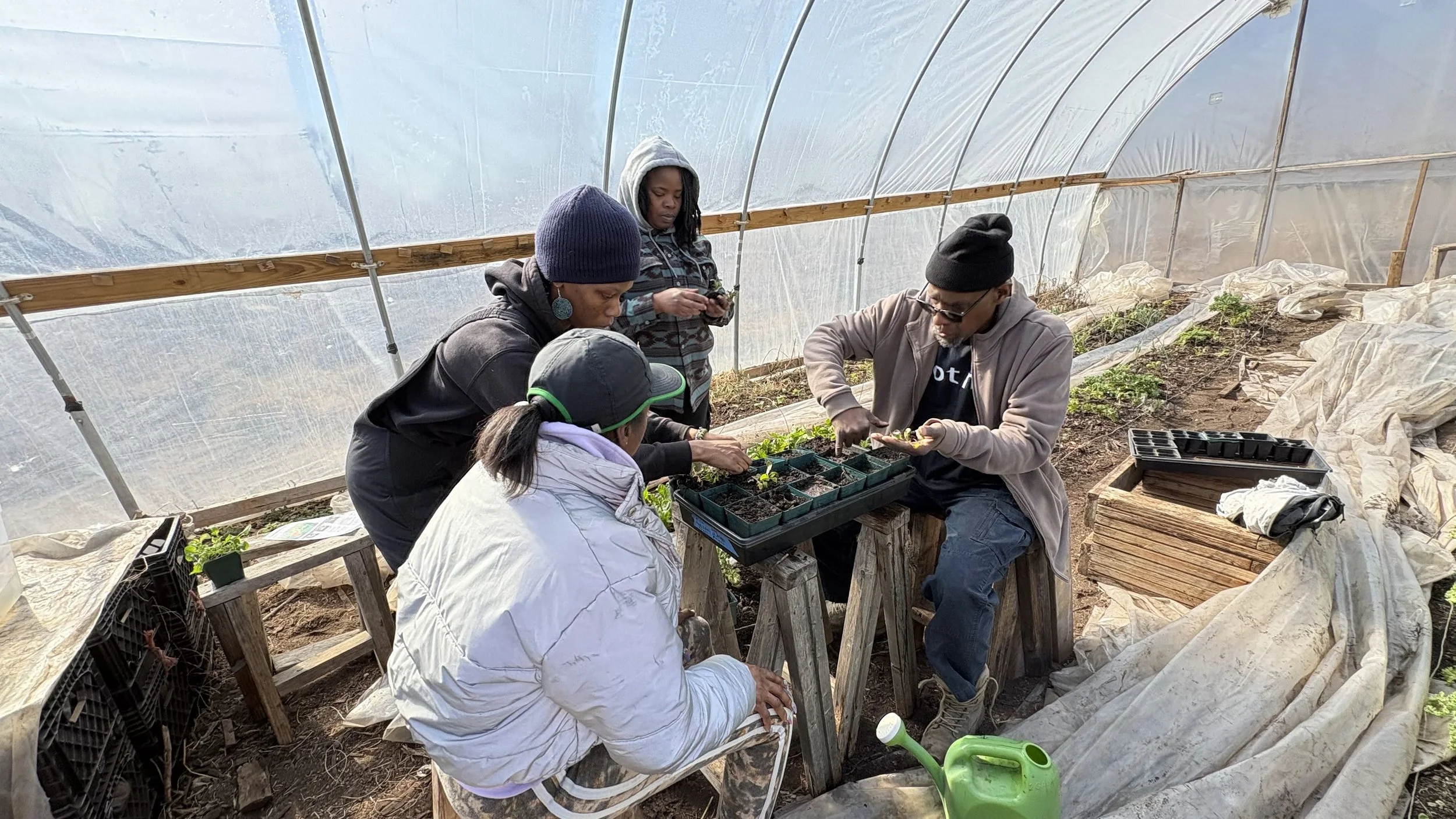
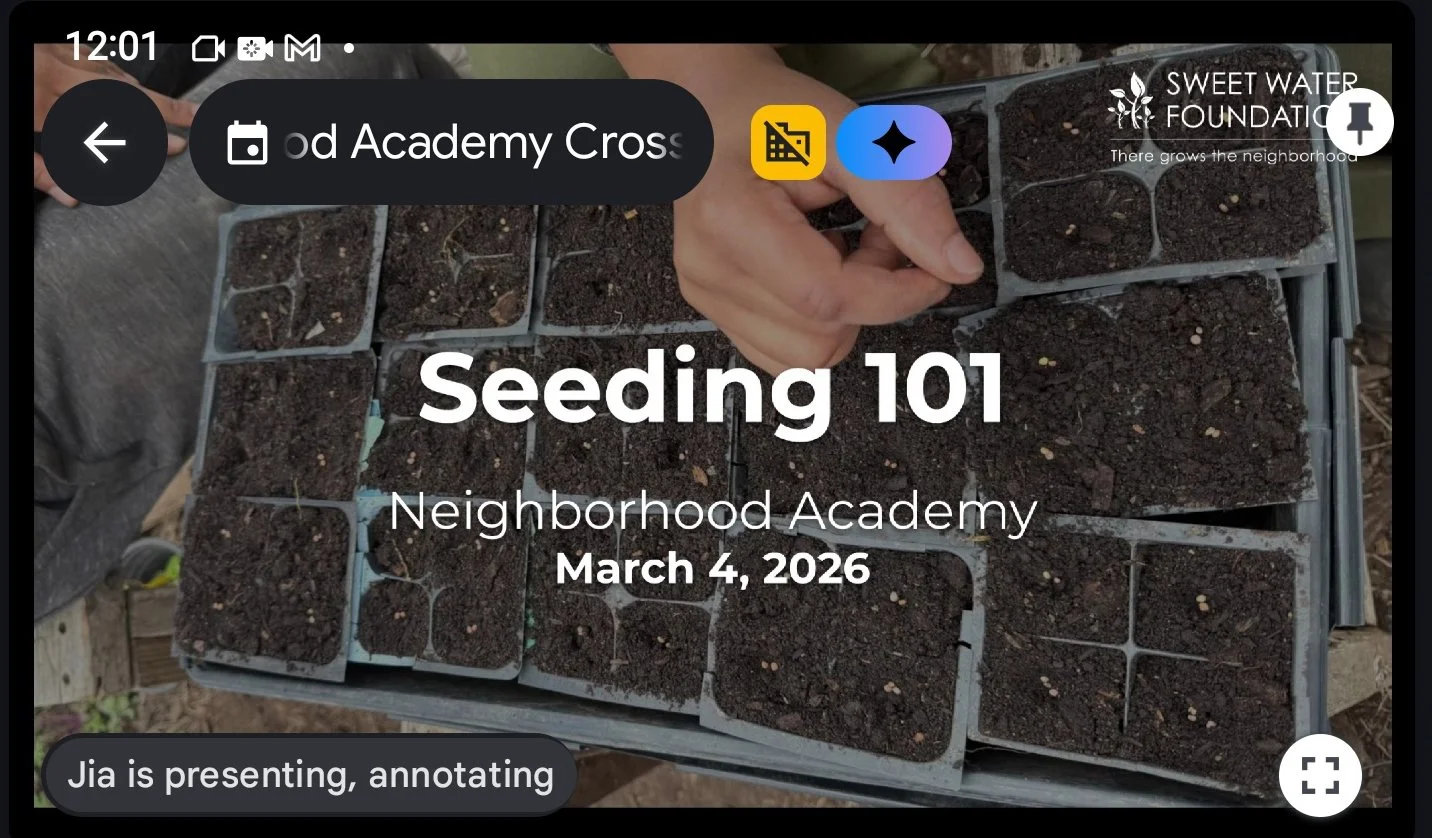
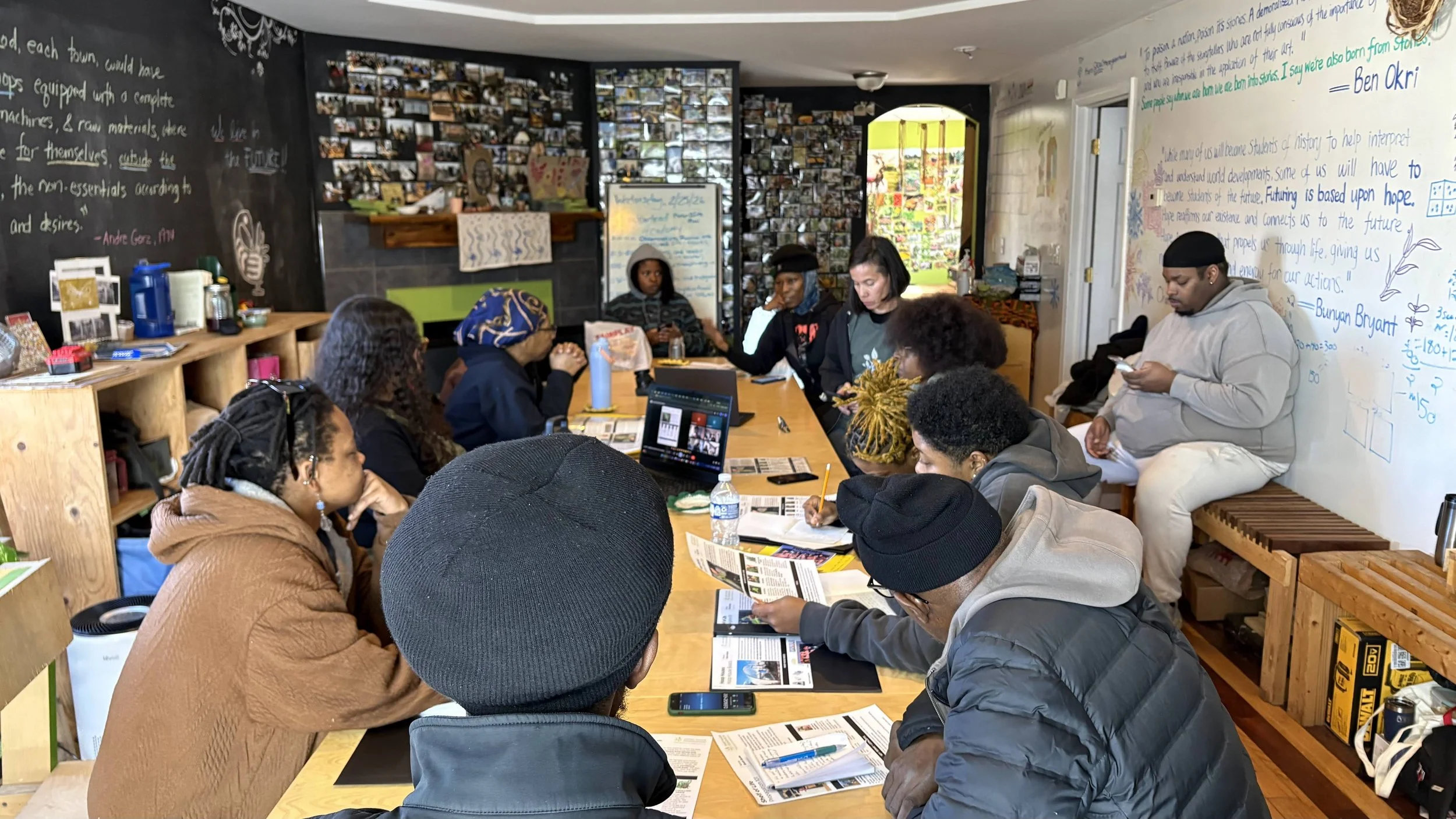
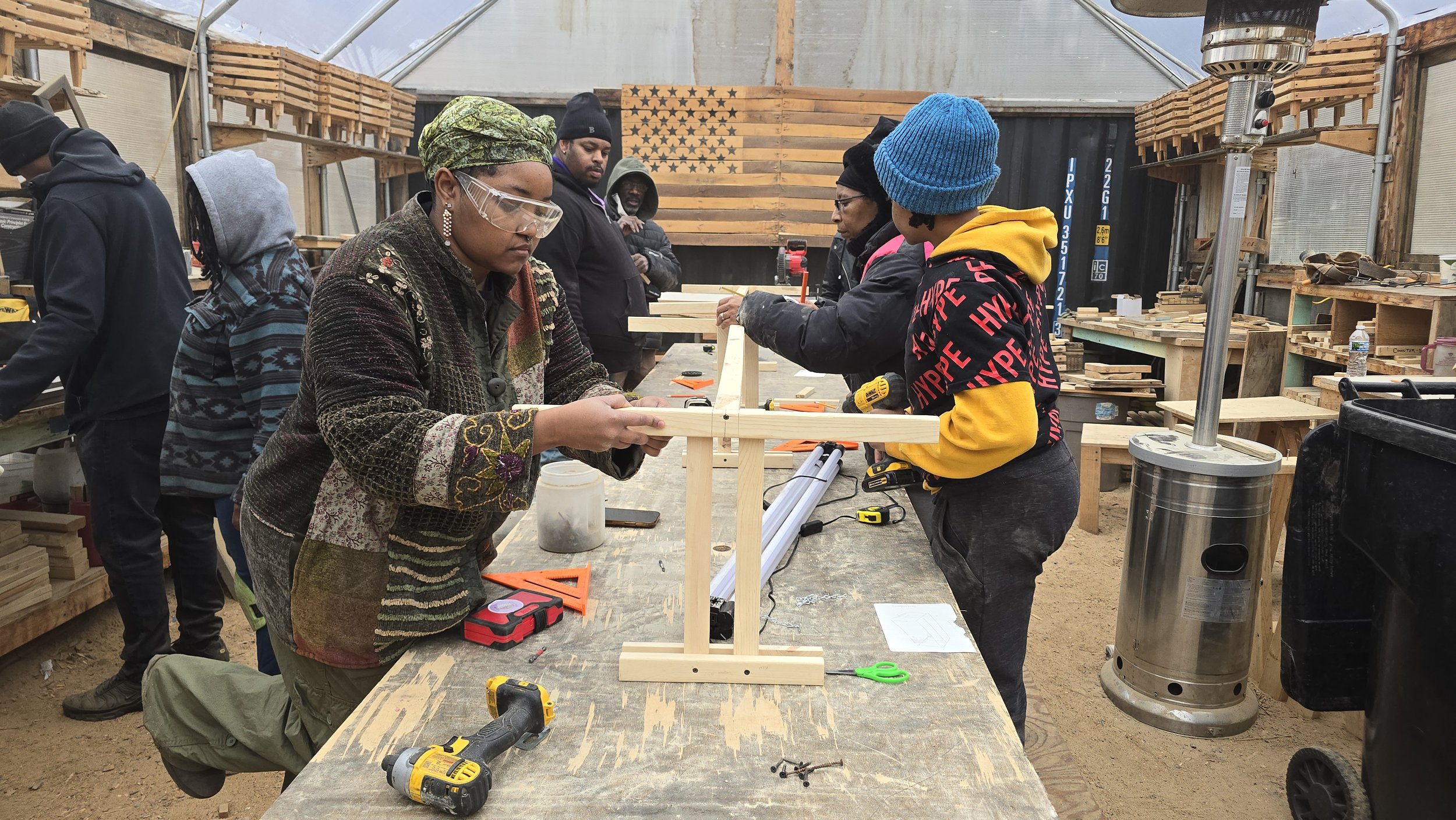
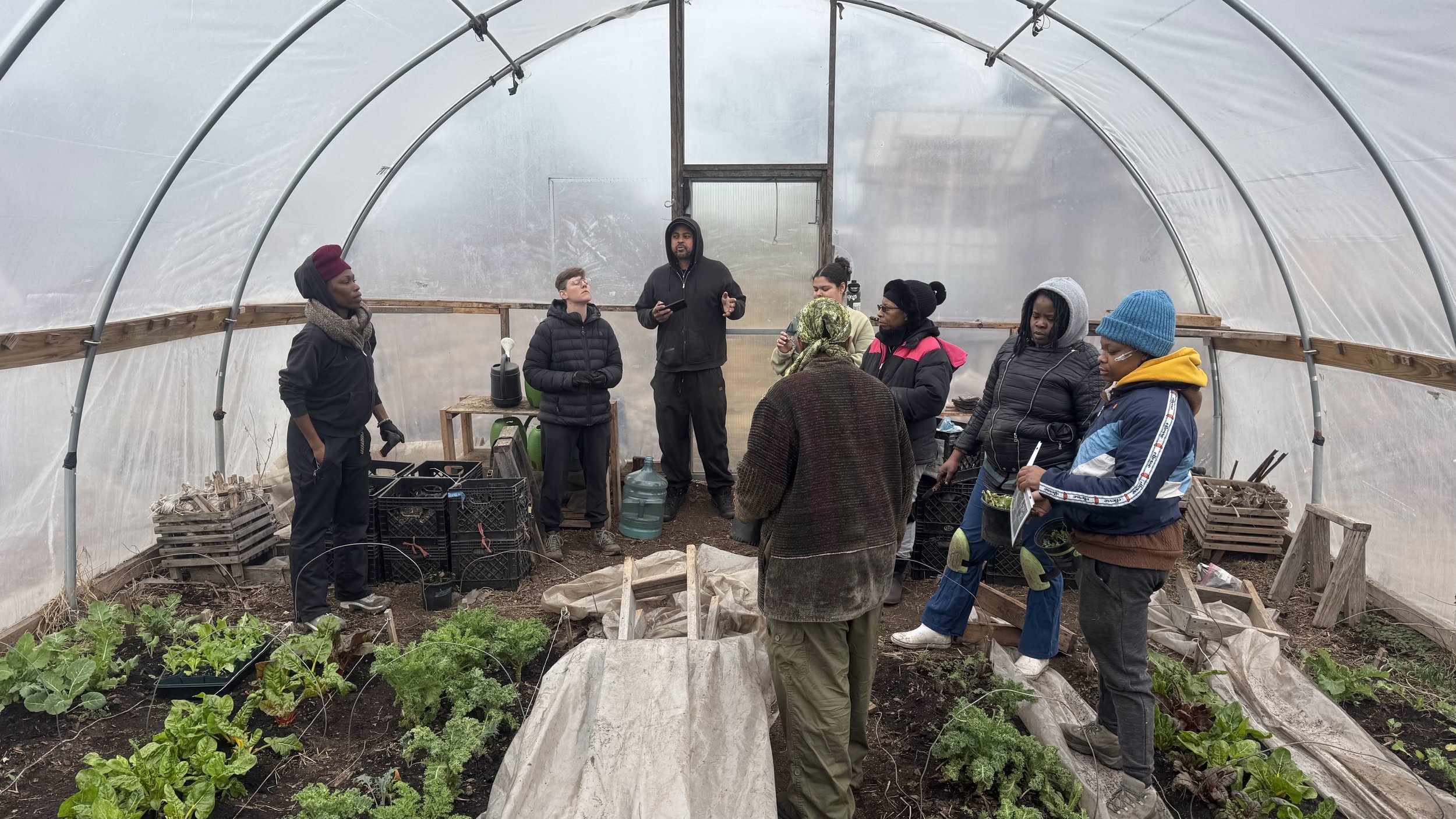
SWF’s relationship to Boston is built on a decade-long foundation of deep, relational groundwork with local Values-Based Partners. When the Neighborhood Academy launched its 2026 season in early February—engaging an intergenerational cohort of South Side residents in full-day, hands-on practice at The Common|Wealth through Shelf-of-Life activation, regenerative math, and hoop house cultivation—it simultaneously opened its “doors” to national and international partners. Every Wednesday during Neighborhood Academy sessions, SWF hosted weekly cross-city virtual calls with Values-Based Partners spanning Jamaica, Pittsburgh, Boston, and Detroit. These weekly sessions featured mini-lessons focused on fundamental cultivation techniques—ranging from Propagation 101, Transplanting, and Seeding 101, to botany lessons on Meristem Development. By directly aligning each virtual lesson with that week’s physical labor on the land (for example, pairing a mini-lesson on seed anatomy with hands-on hoop house seeding), SWF’s cooperative extension model connected practitioners across state lines and national borders in a shared, ongoing practice of growth.
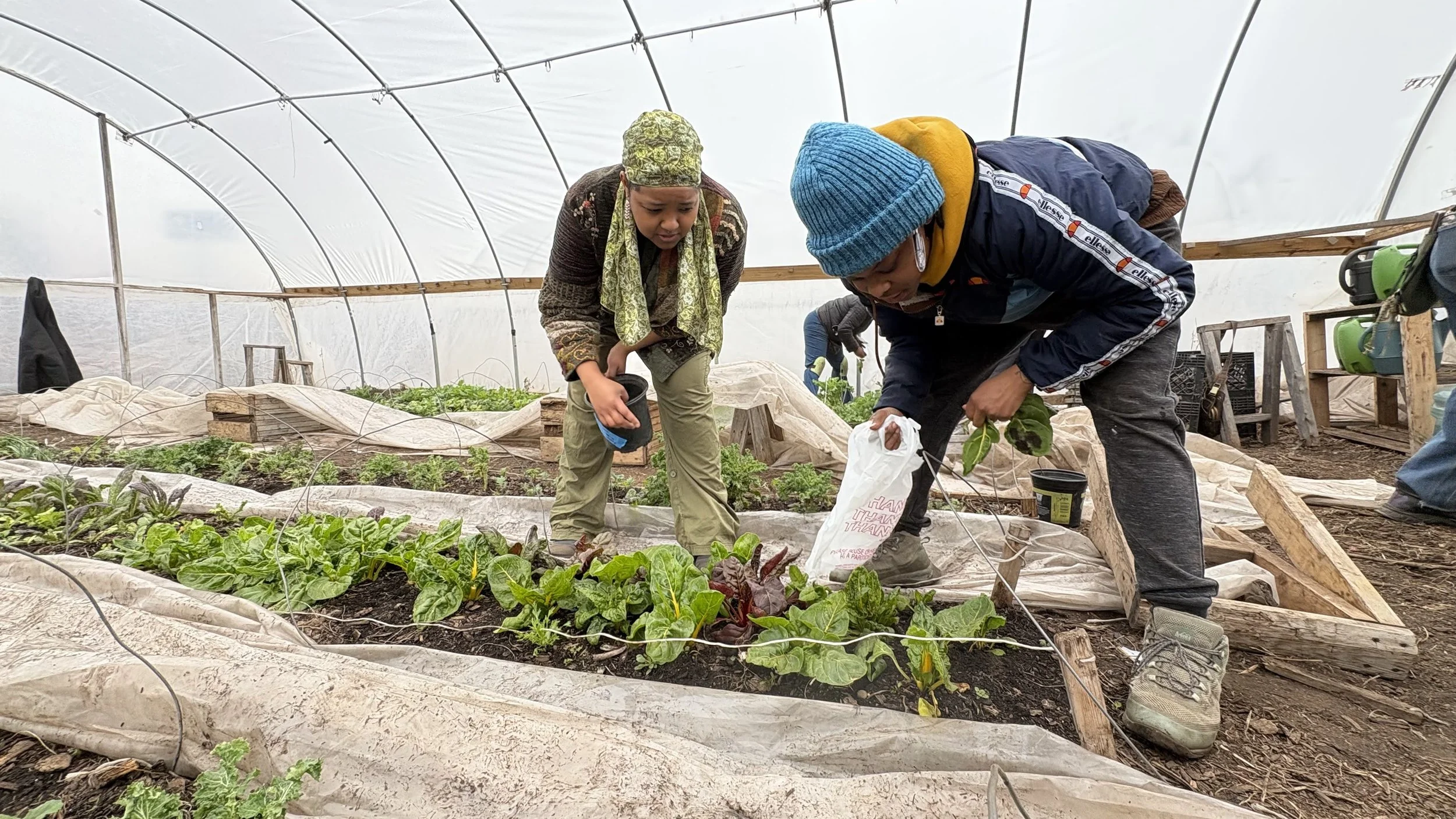
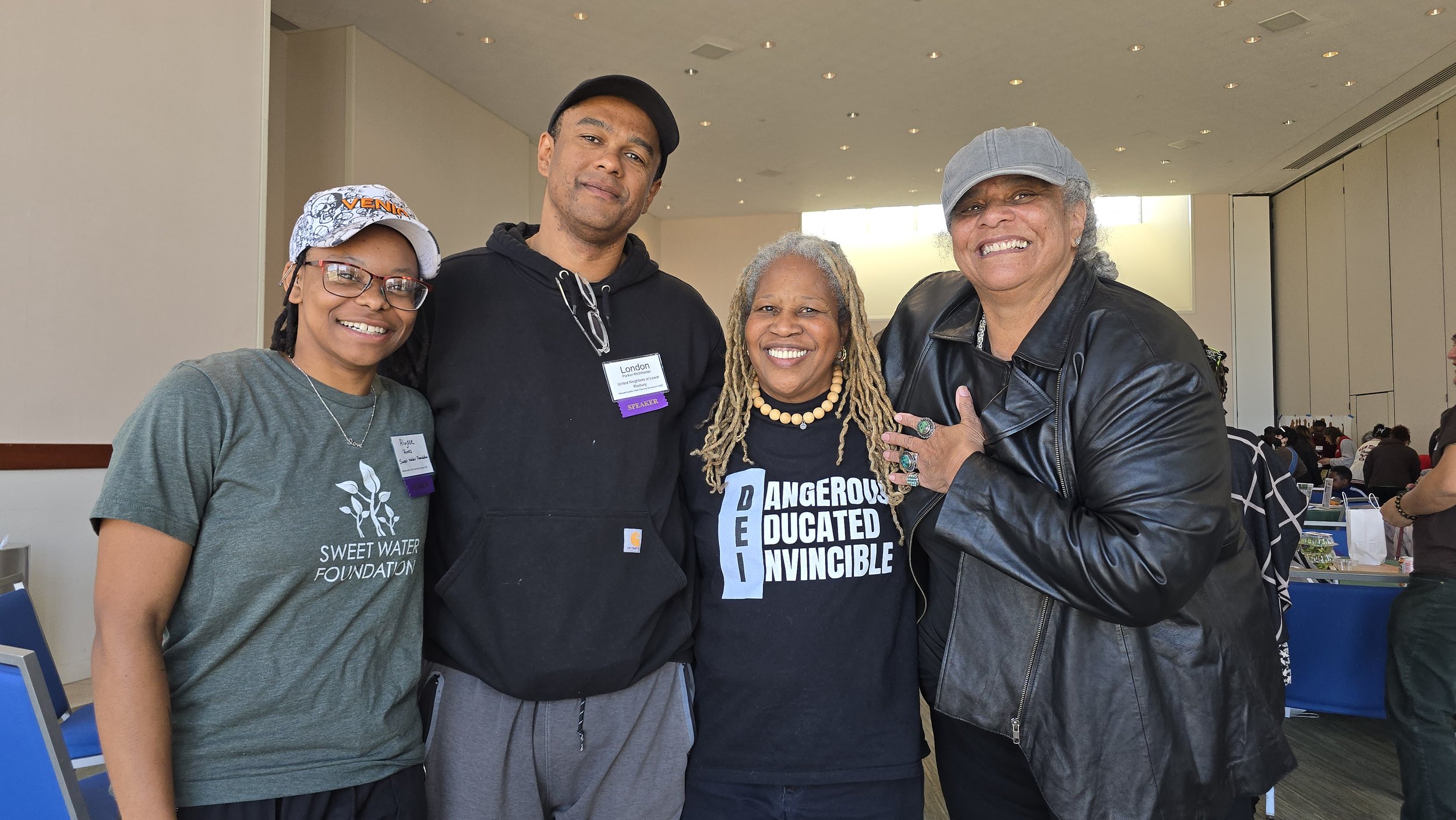
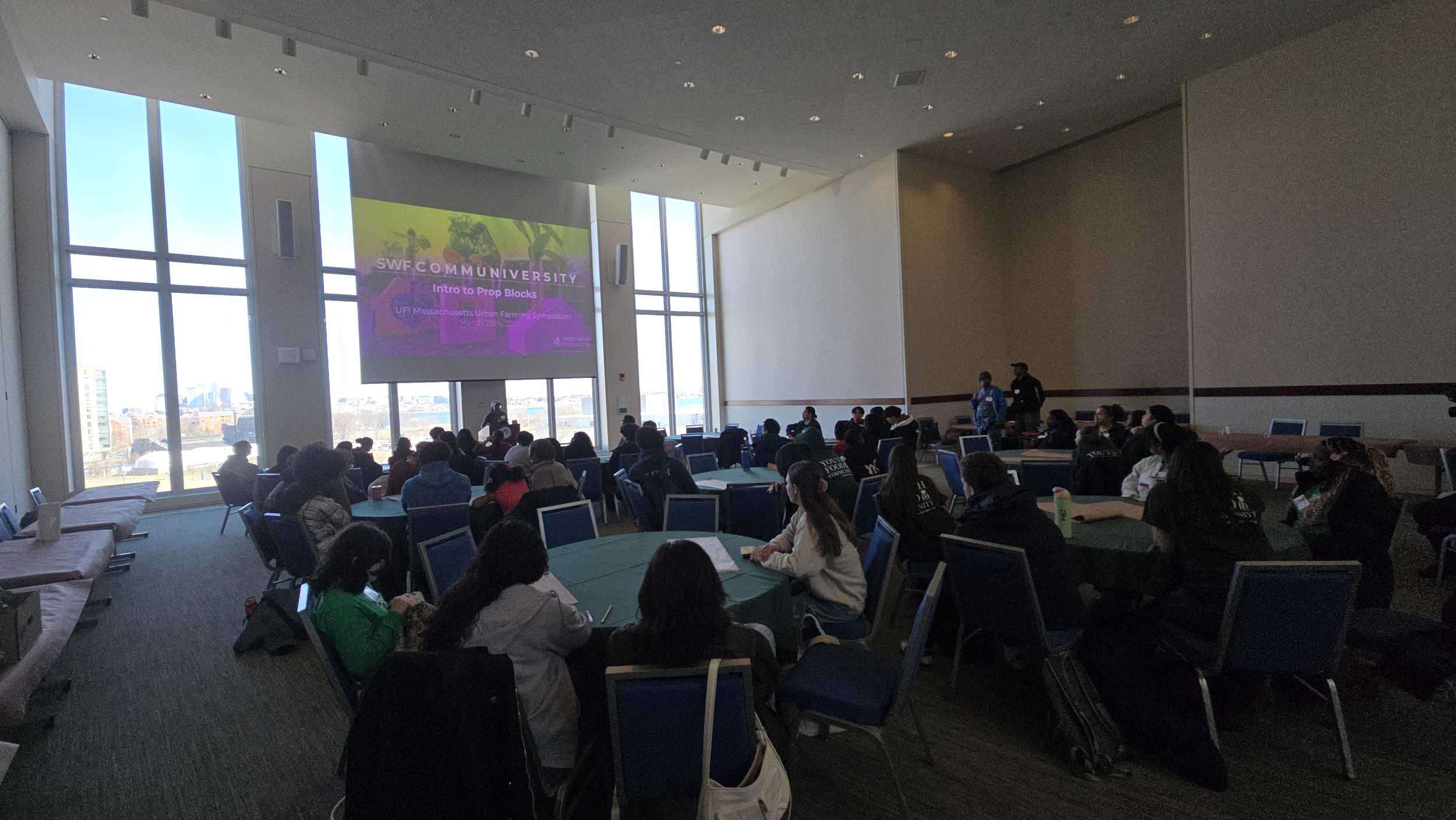
From this deep relational foundation, SWF was invited to participate in the annual Massachusetts Urban Farming Symposium in late March, hosted by the Urban Farming Institute (UFI) in partnership with the Massachusetts Department of Agricultural Resources (MDAR). The symposium brought together urban growers, youth, and policymakers and focused on building resilient, local food systems through practical action. The SWF team led the symposium’s Youth Track, with the goal of creating a vibrant, engaging space for young people to explore urban agriculture through hands-on learning, creative expression, and dialogue. SWF initiated the youth track with an interactive presentation sharing vibrant imagery of The Common|Wealth to bring to life the endless possibilities of agroecology and Regenerative Neighborhood Development.
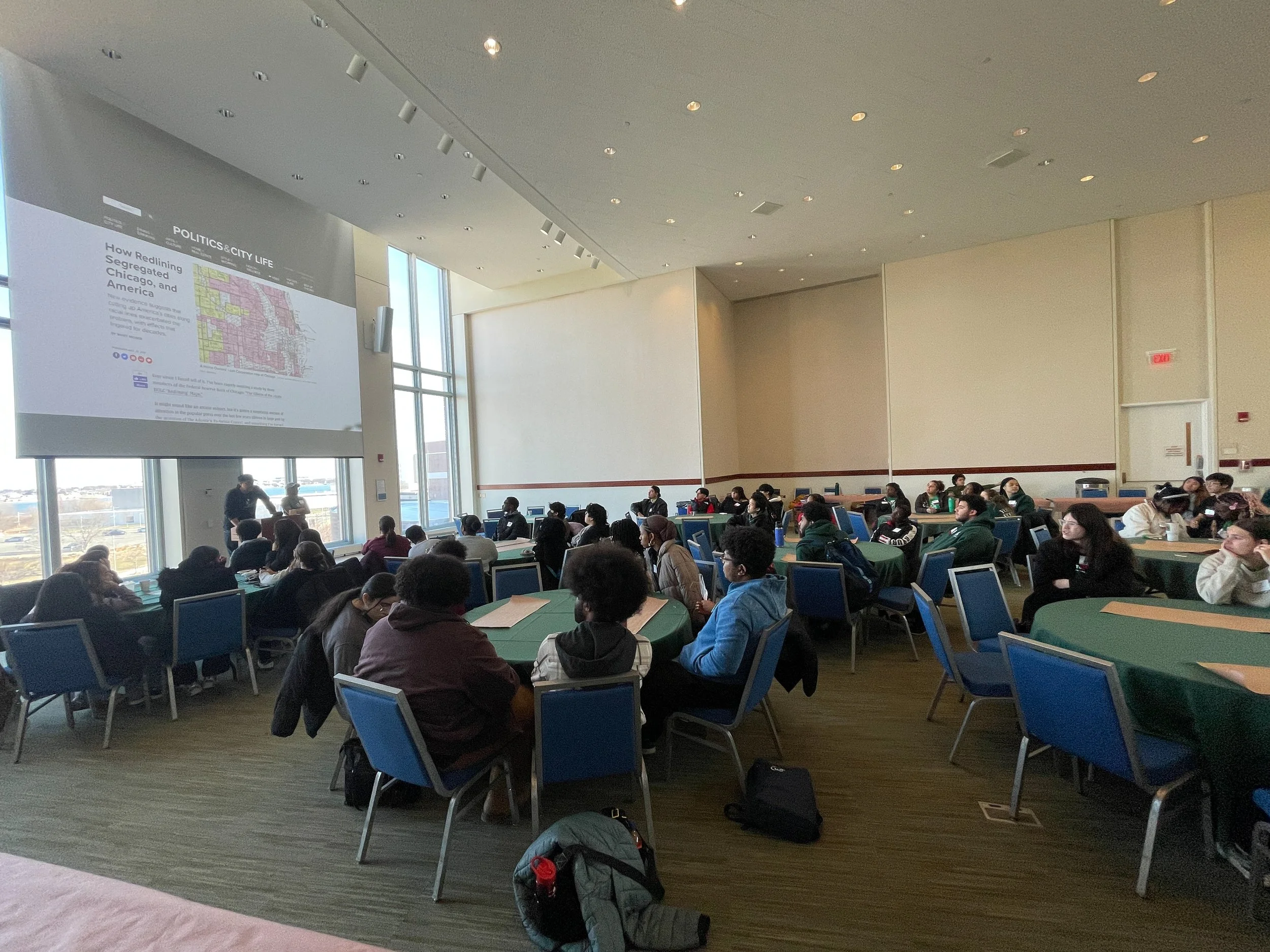
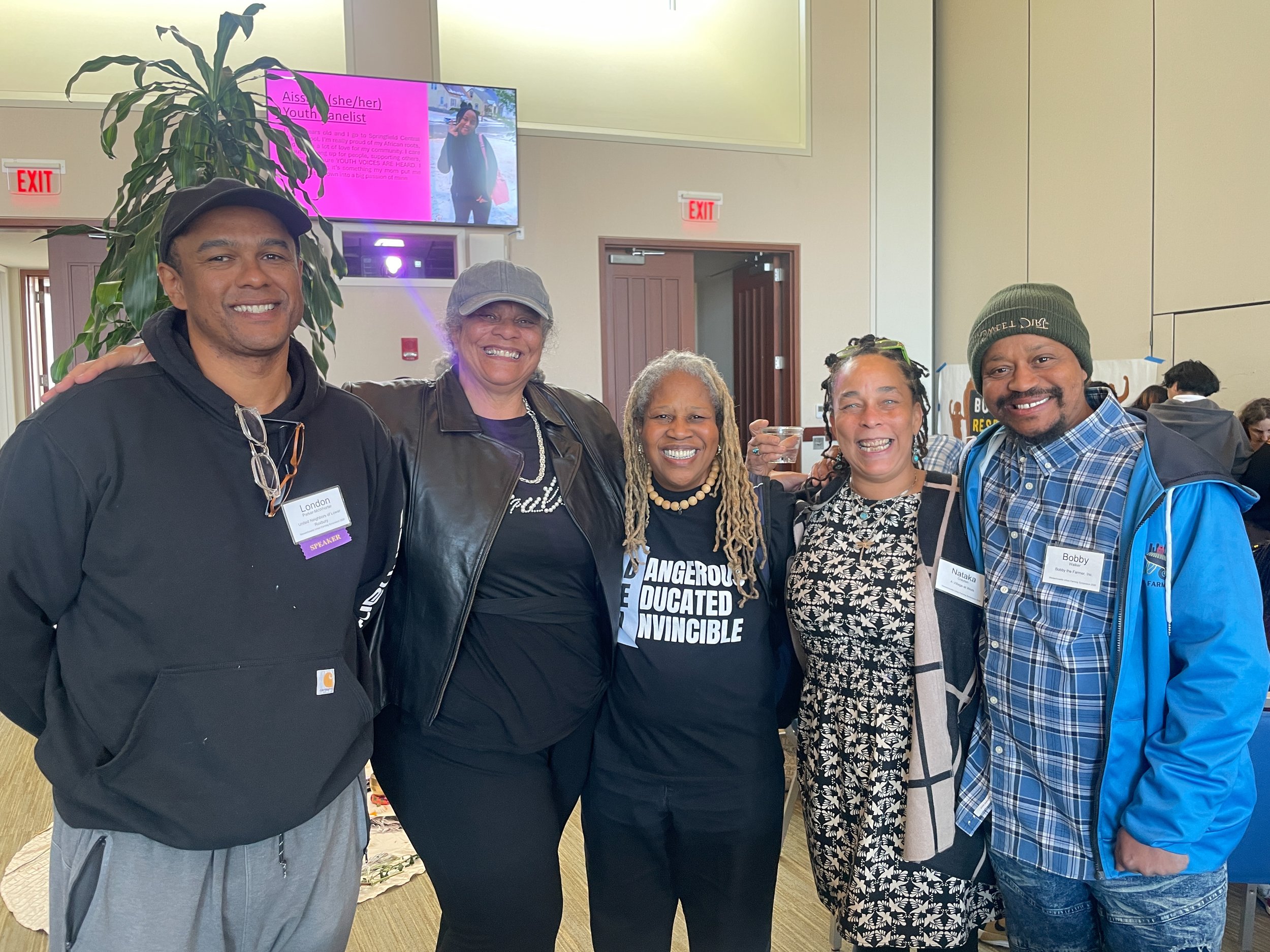
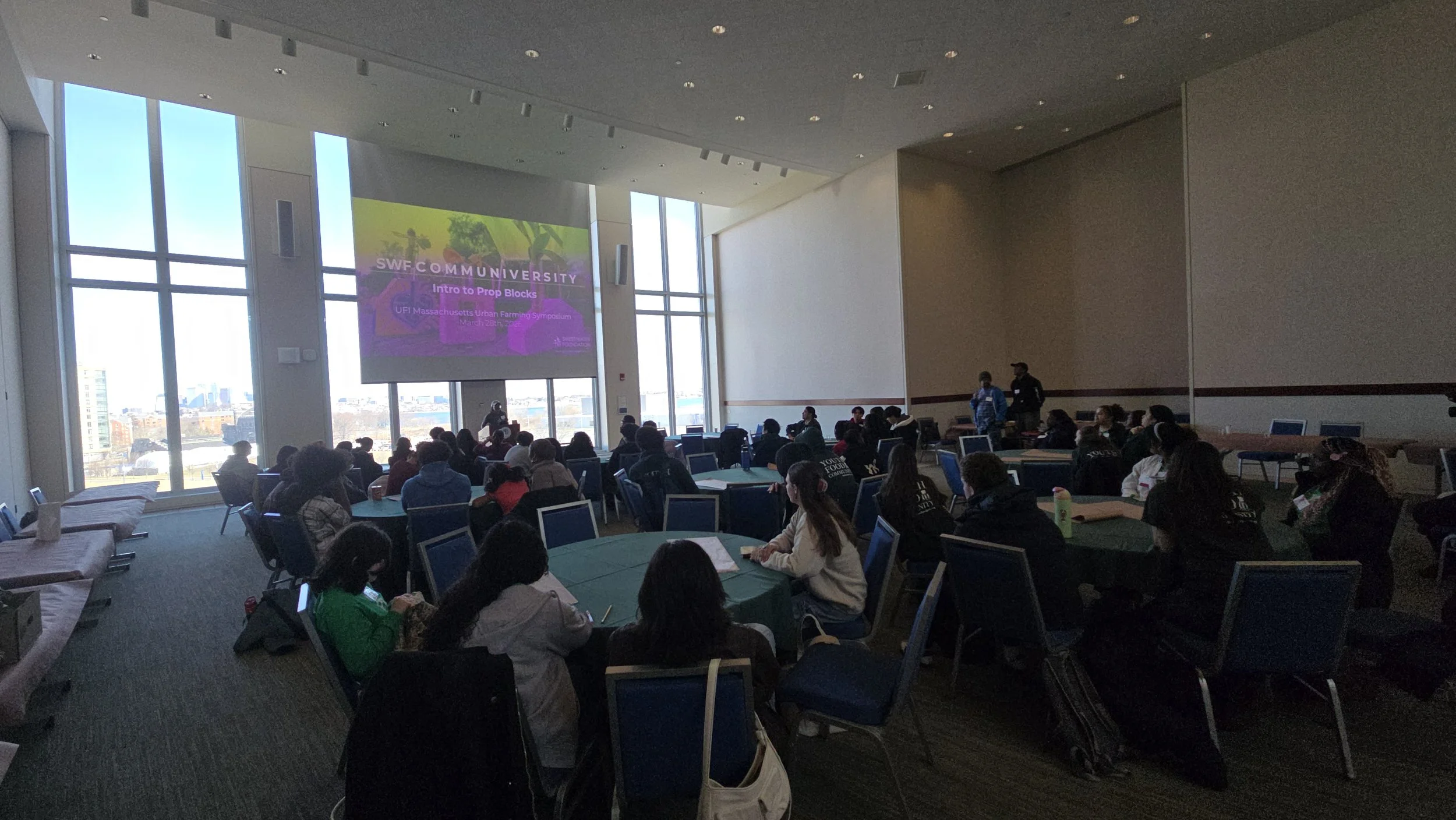
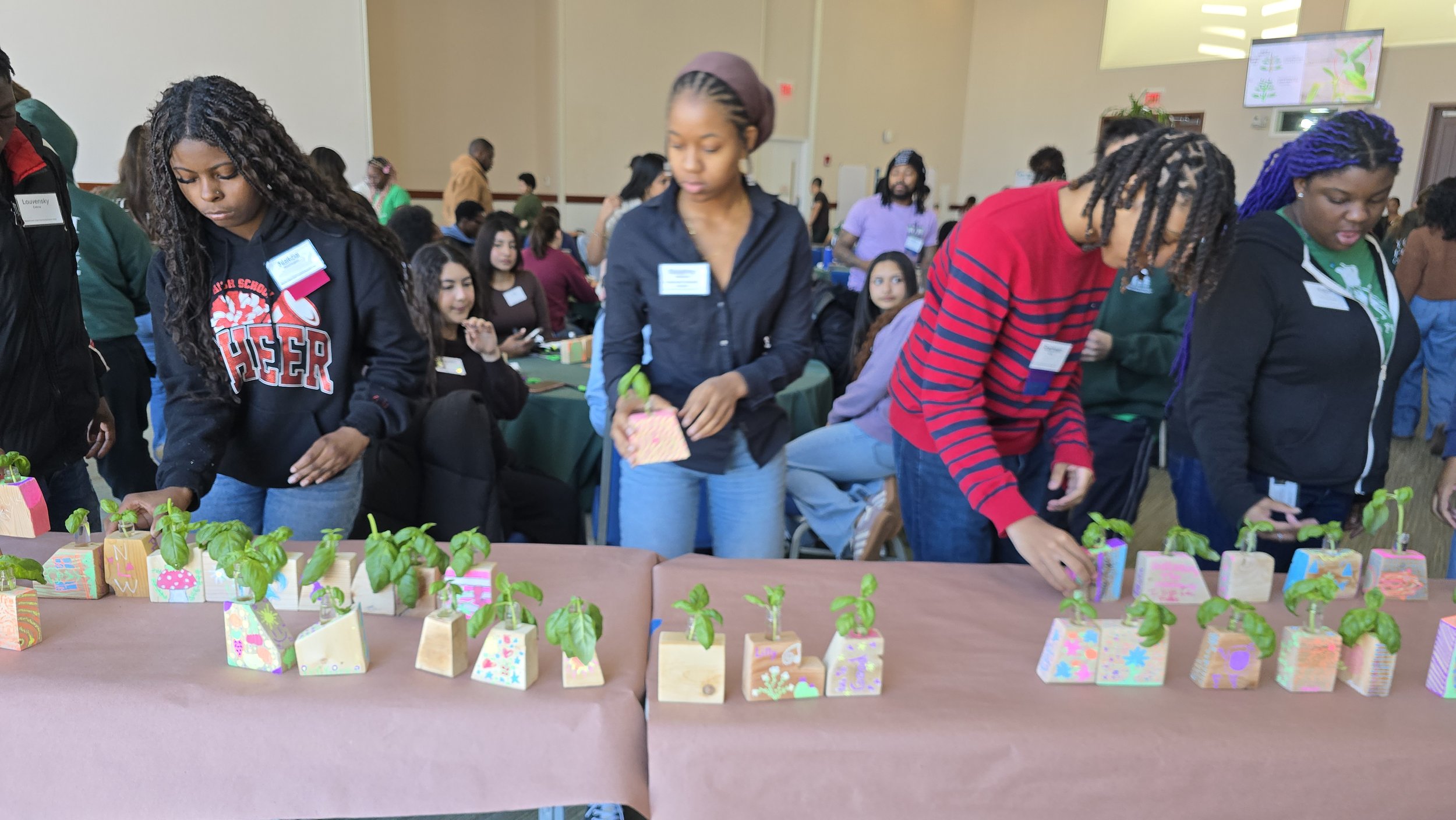
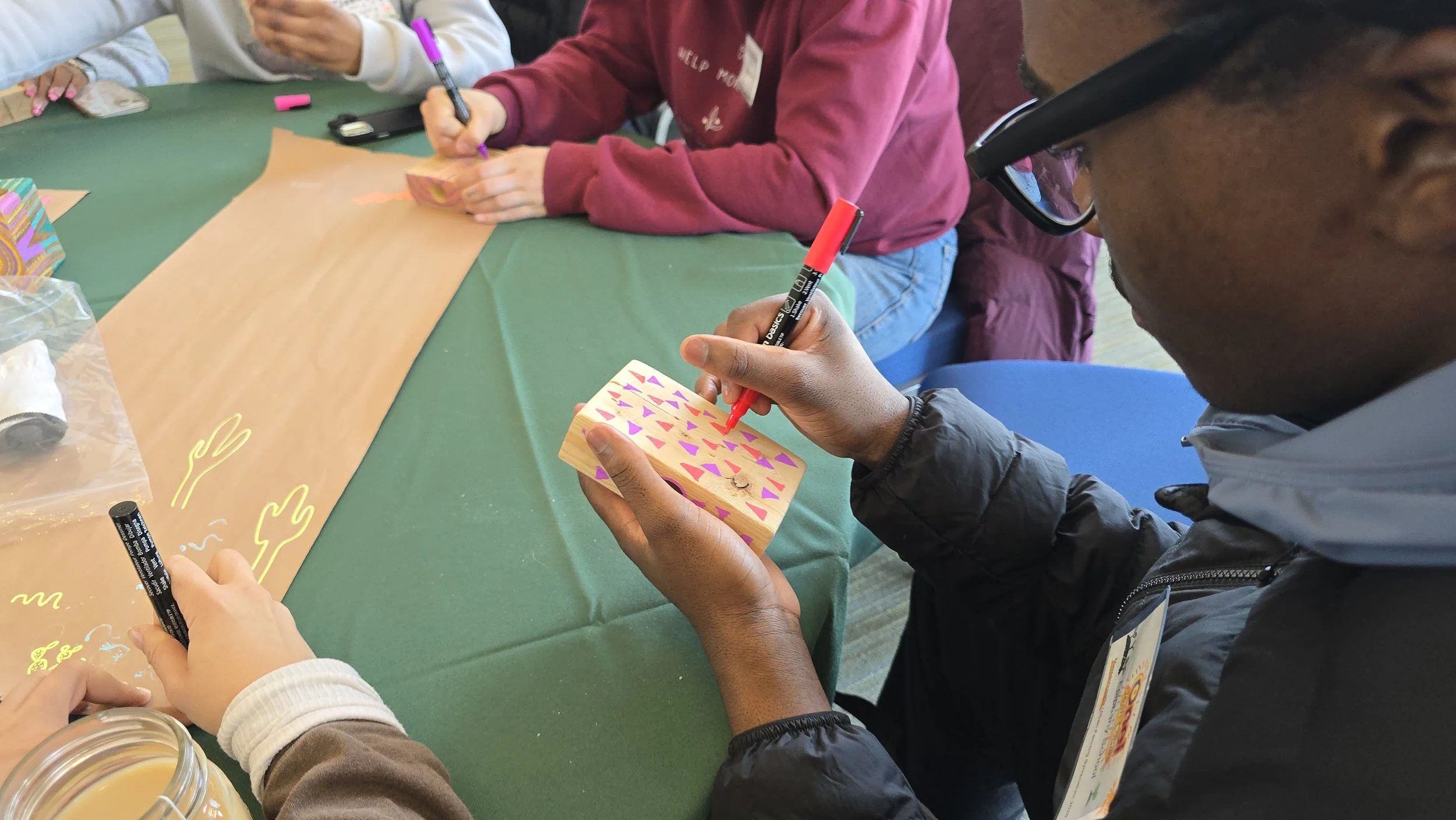
Following the presentation, the SWF team led an interactive agroecology + civic arts activation with more than 50 teens and young adults. In true SWF cooperative extension form, the SWF team was joined by Boston-based SWF Values-Based Partner London Parker-McWhorter—a photographer, artist, researcher, and co-caretaker of United Neighbors of Lower Roxbury Garden. London—who had been an active participant during the winter Neighborhood Academy virtual sessions—joined the SWF team at the symposium. His presence ensured the energy and connections generated during the symposium weren't limited to a one-off experience, but planted seeds for ongoing, locally rooted relationships across Boston’s urban agriculture community.
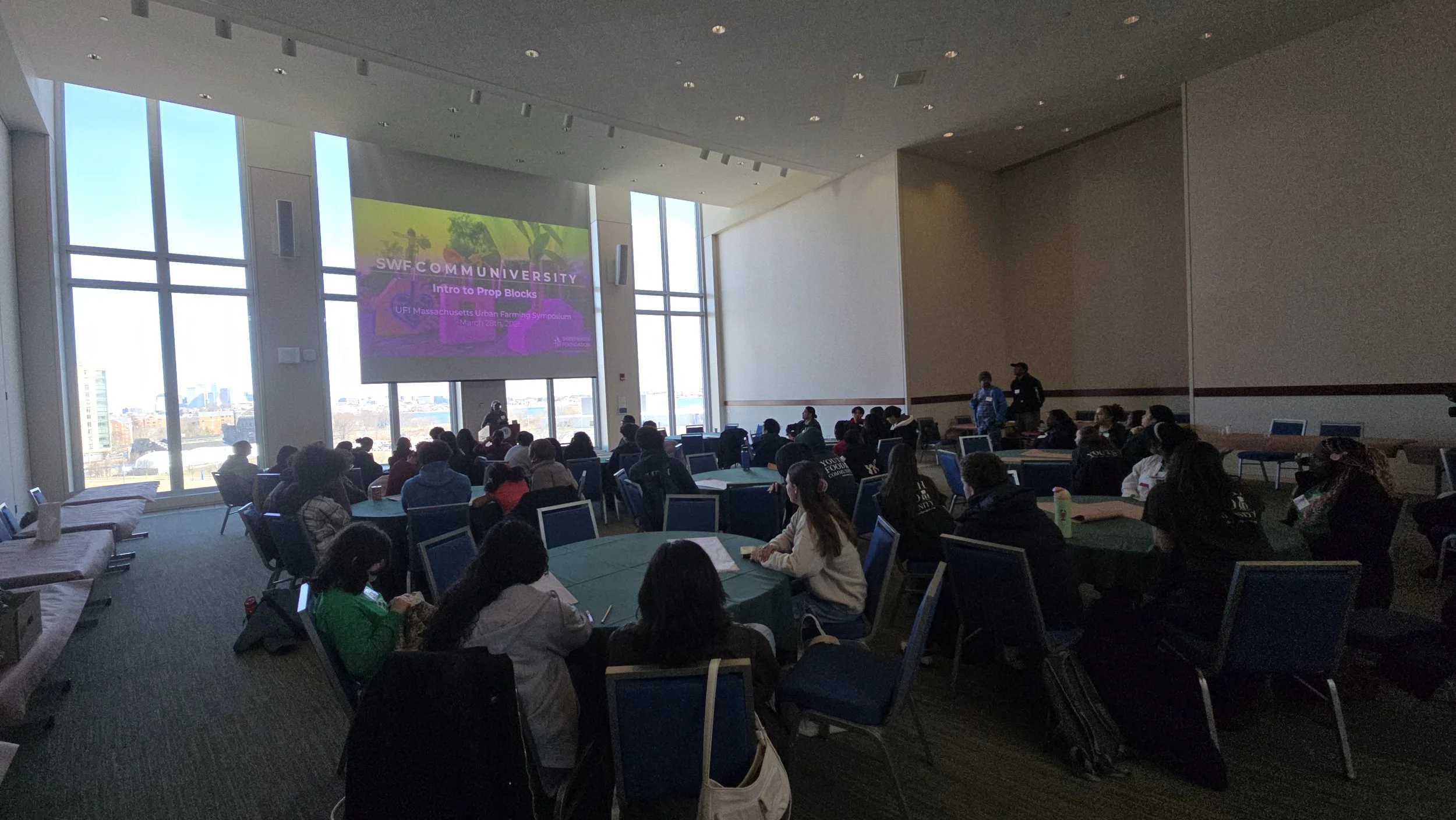
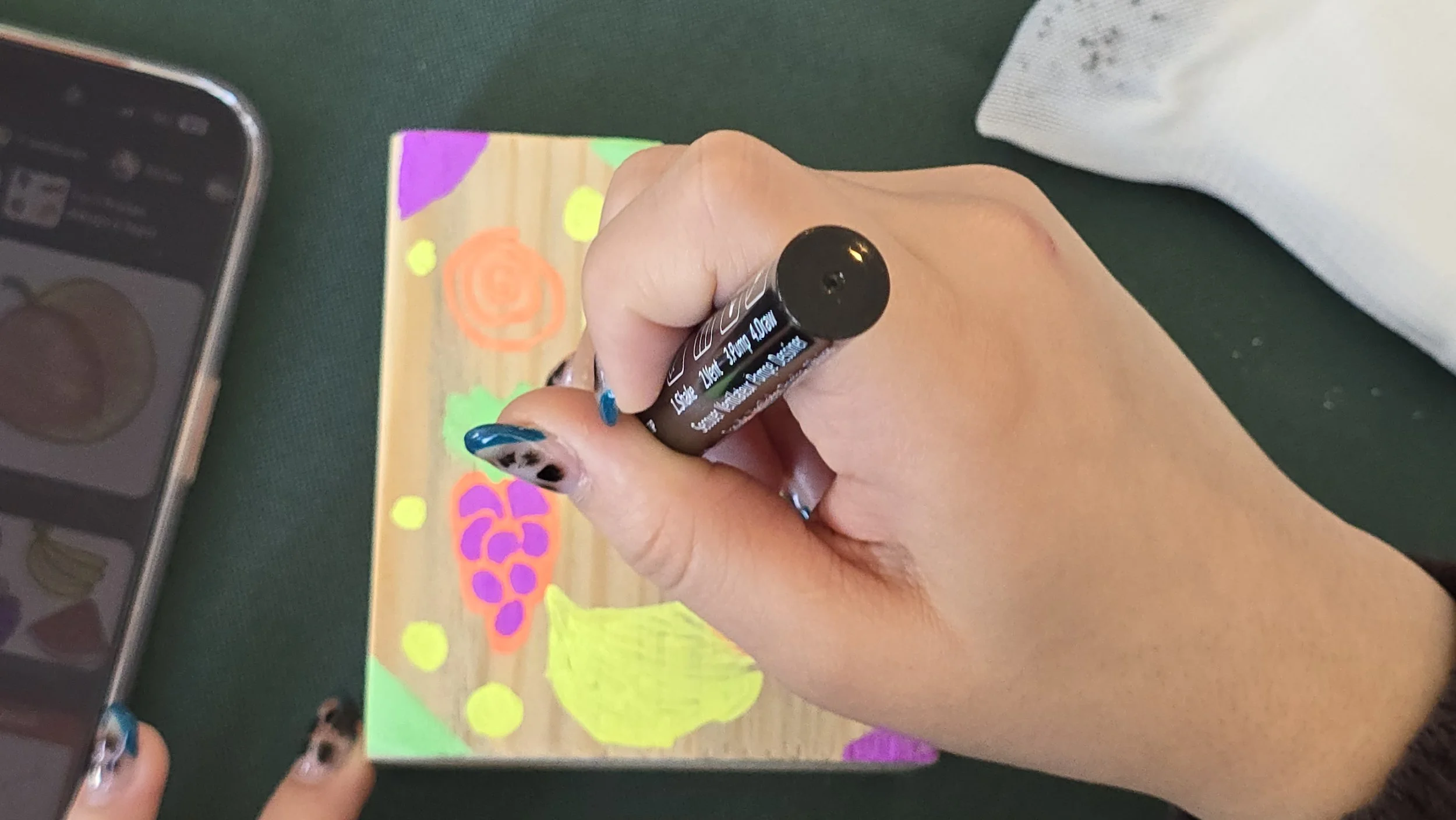
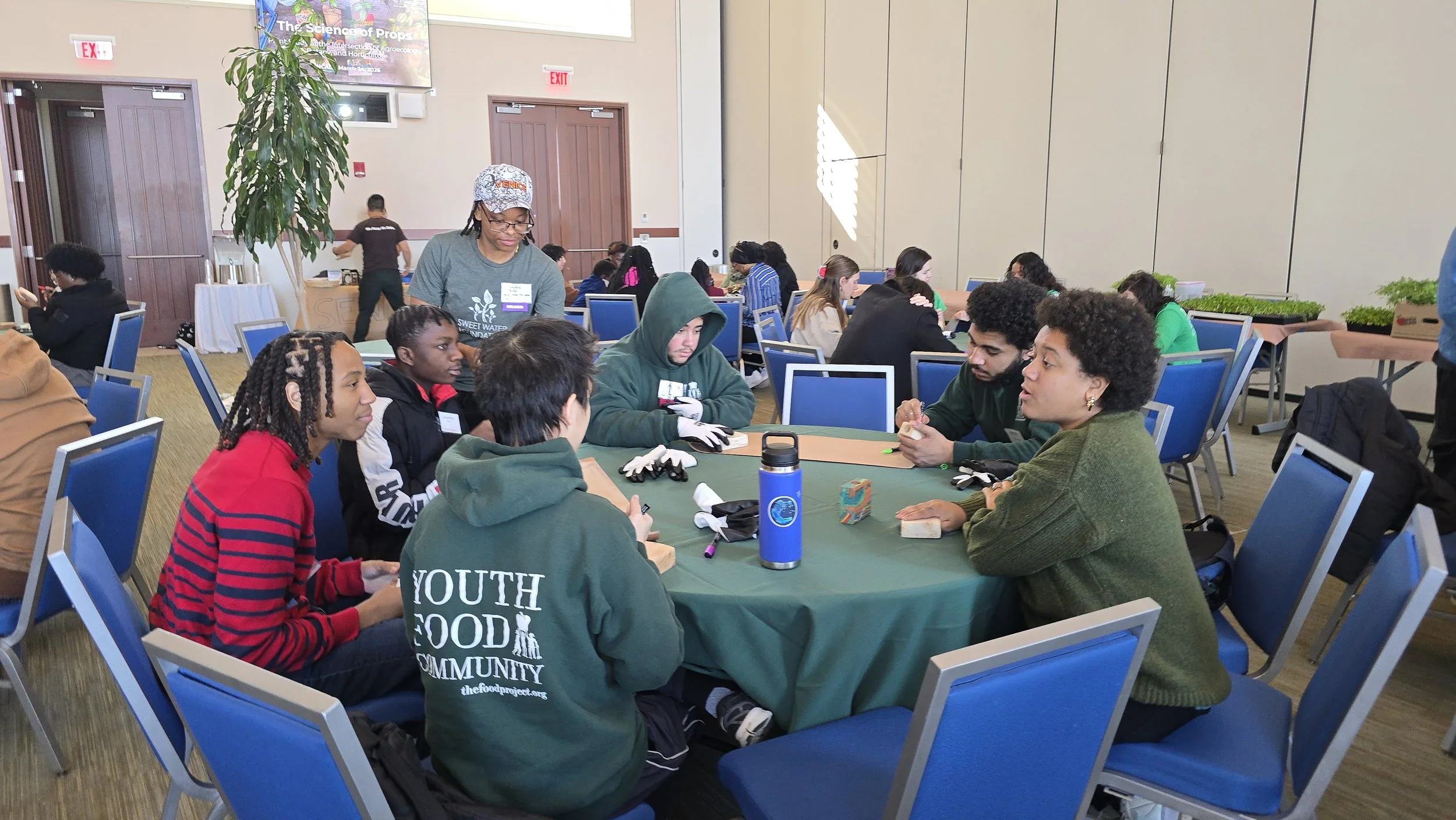
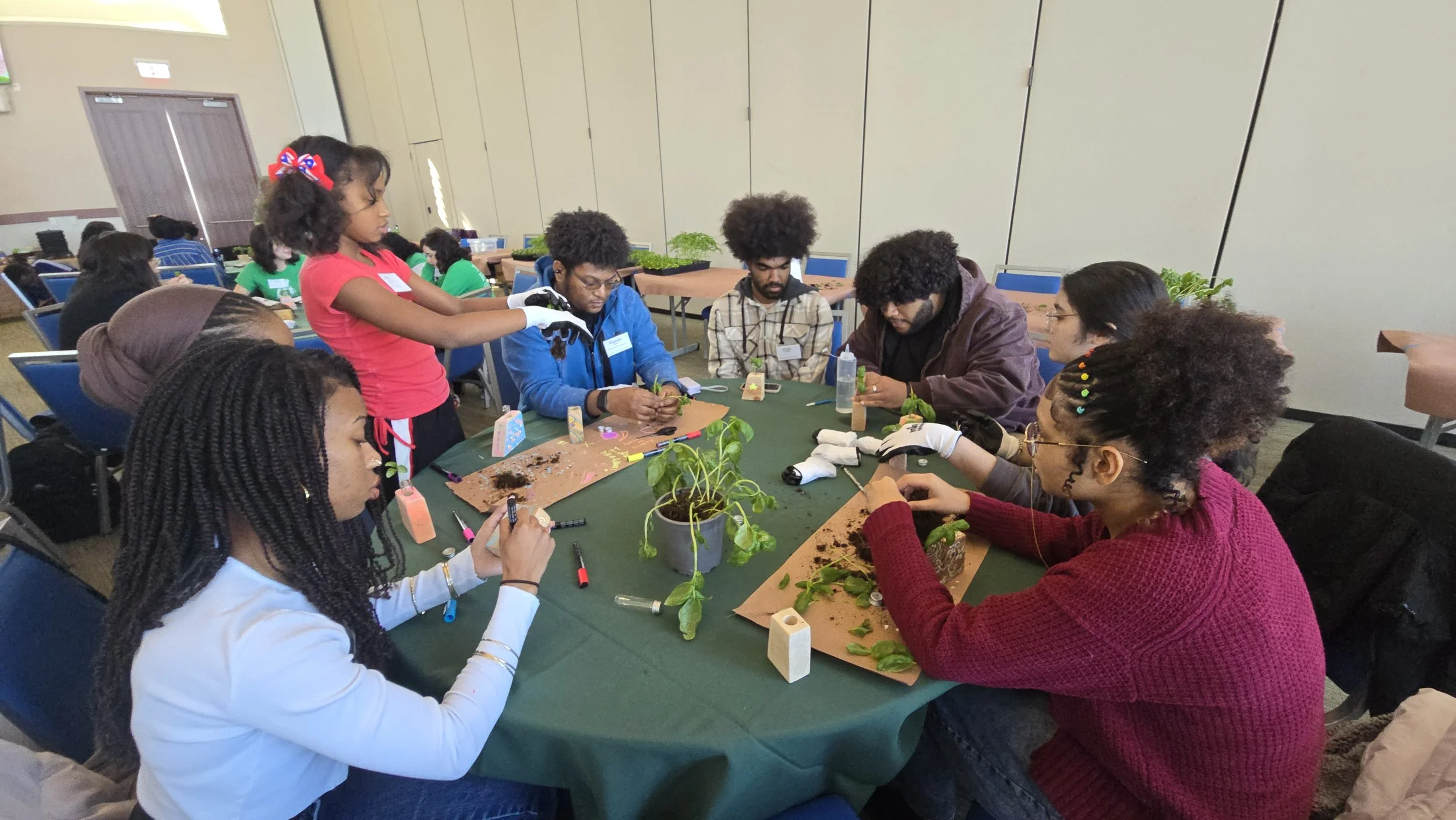
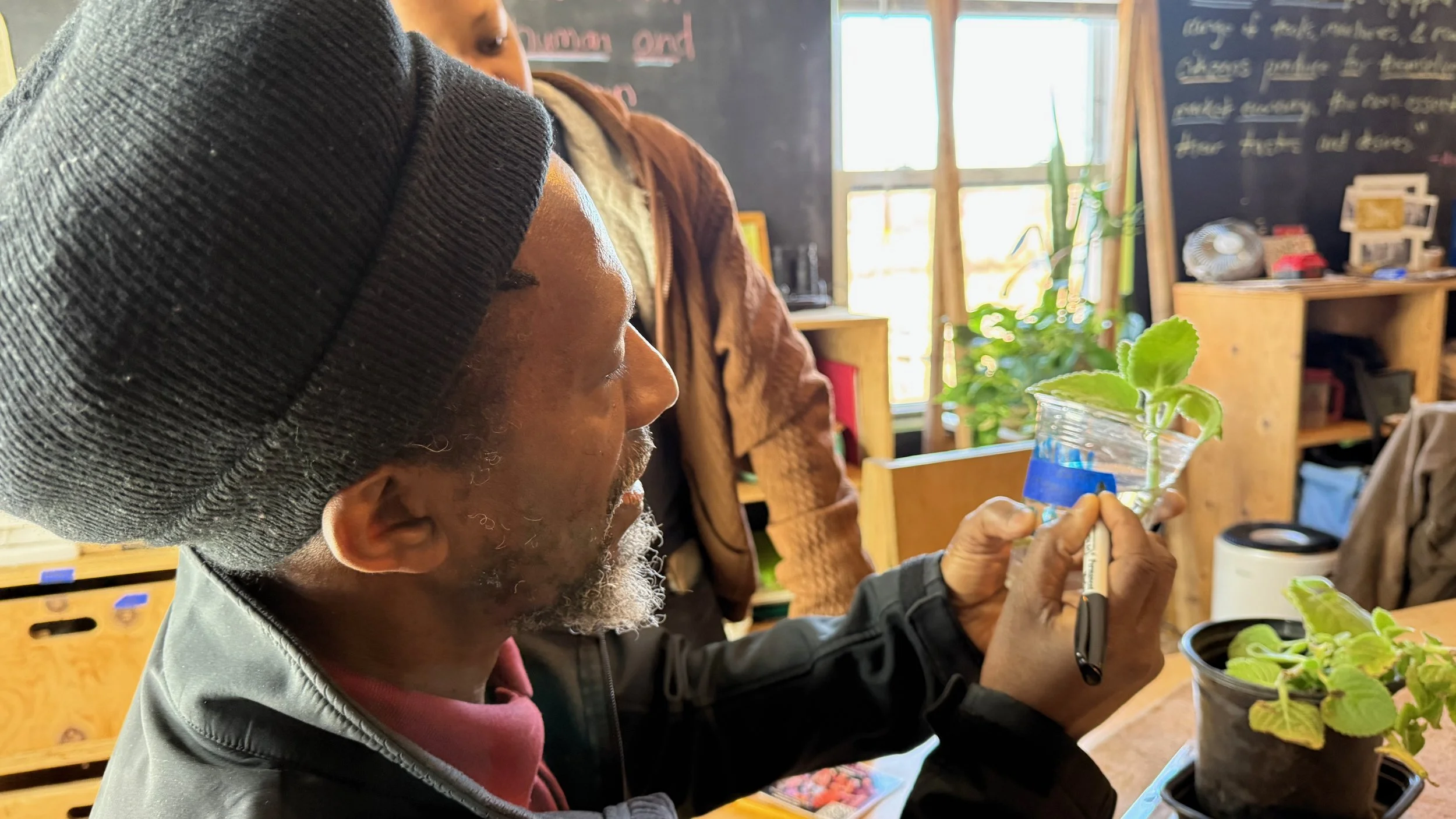
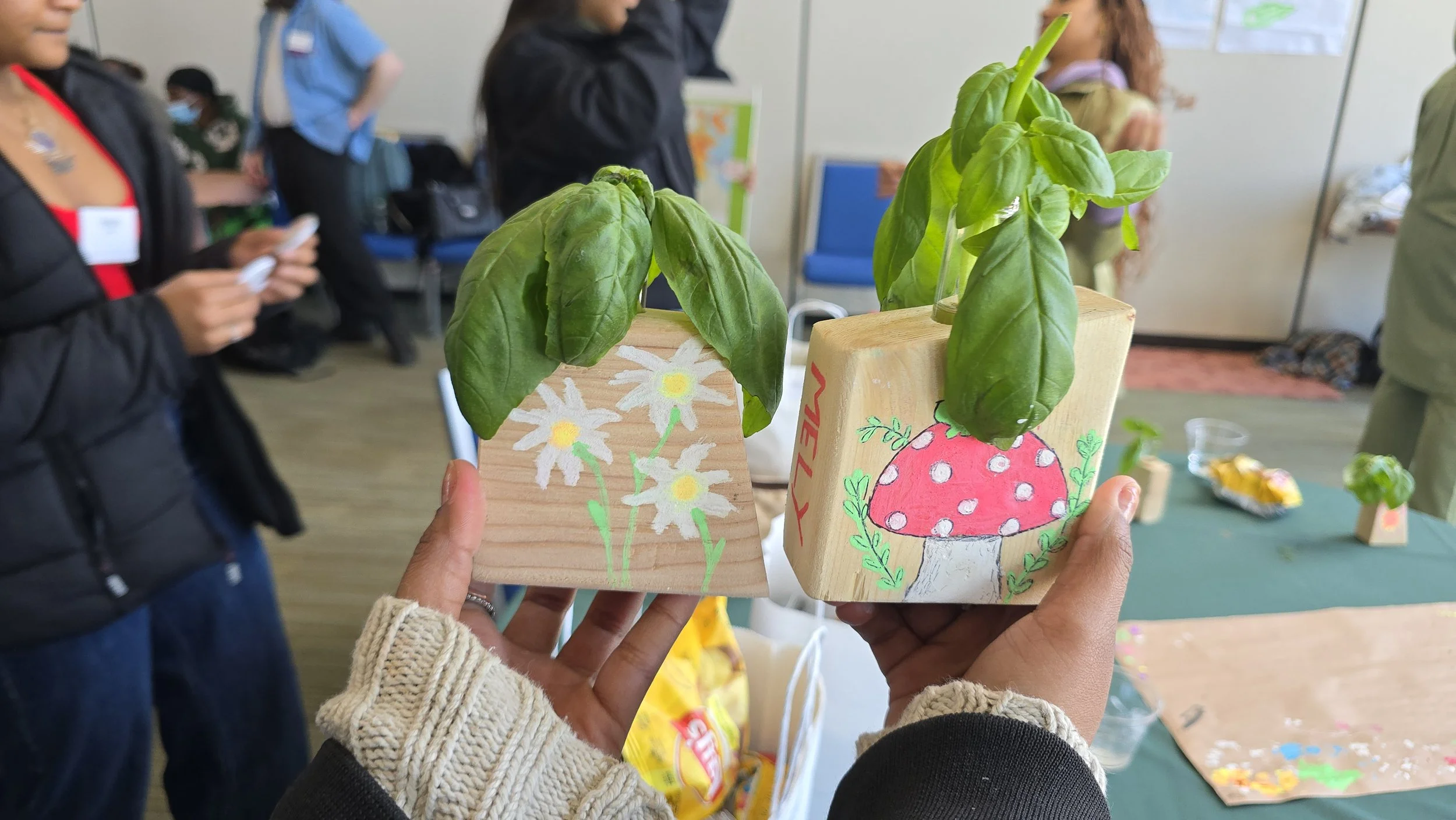
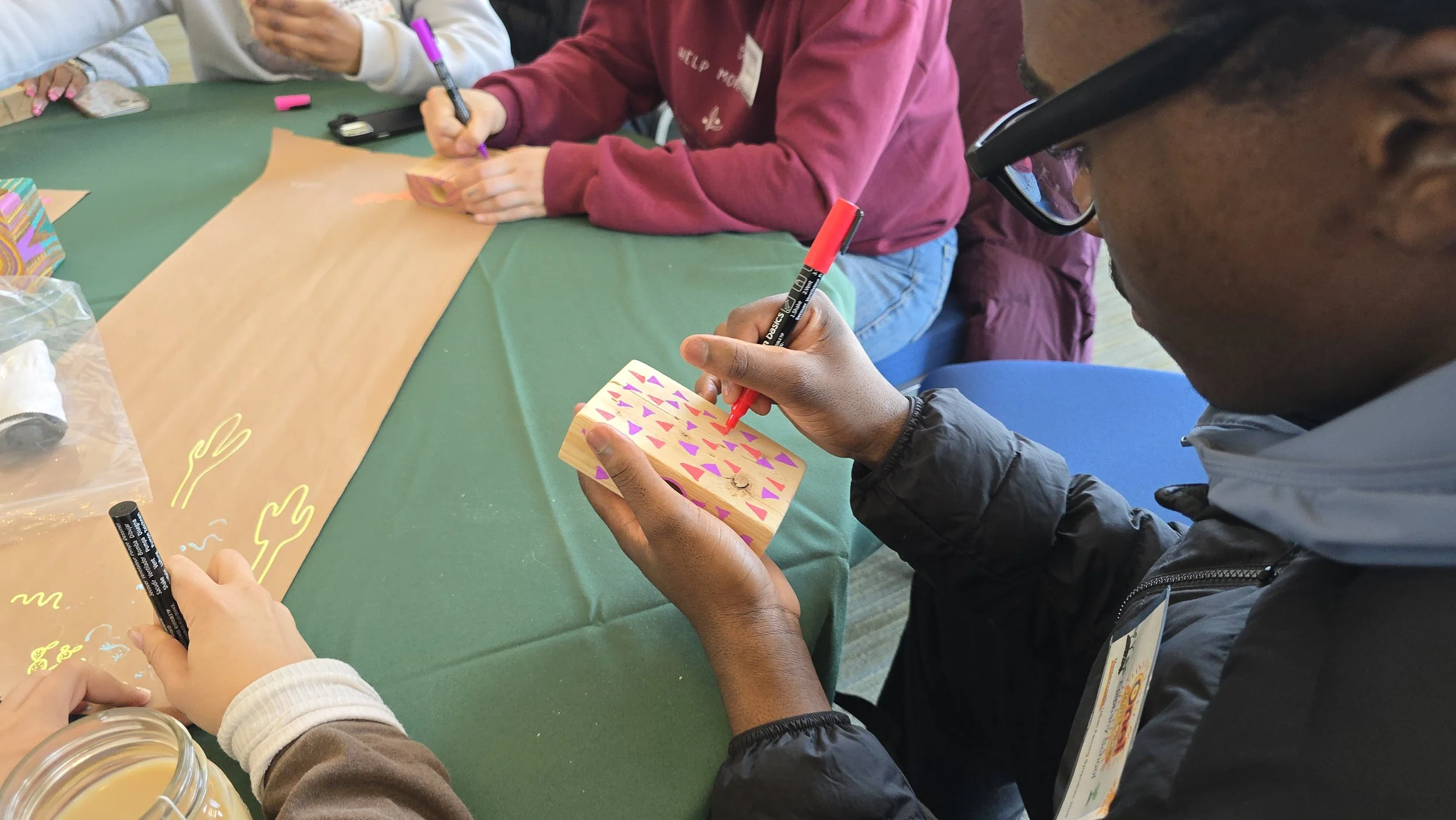
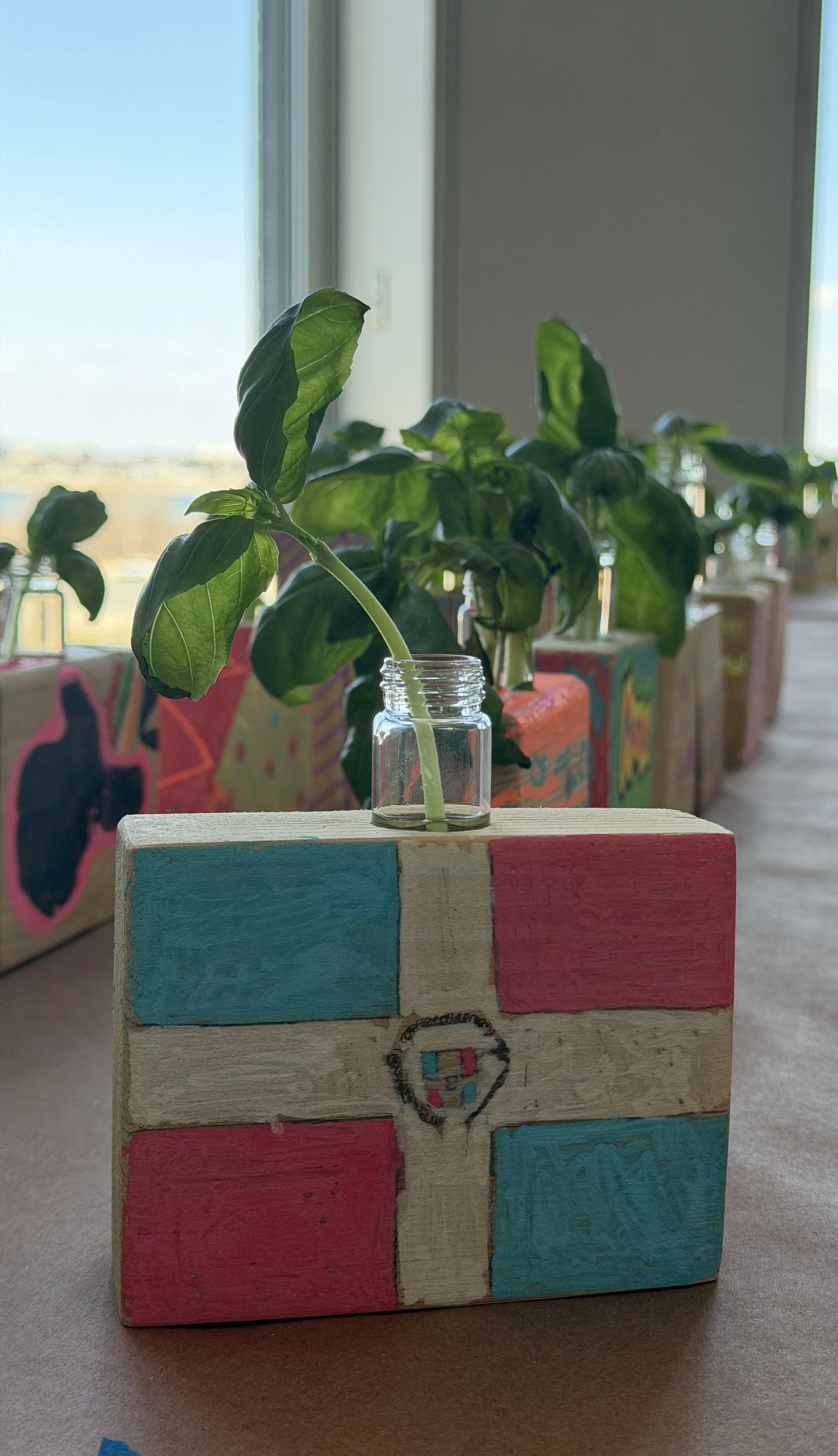
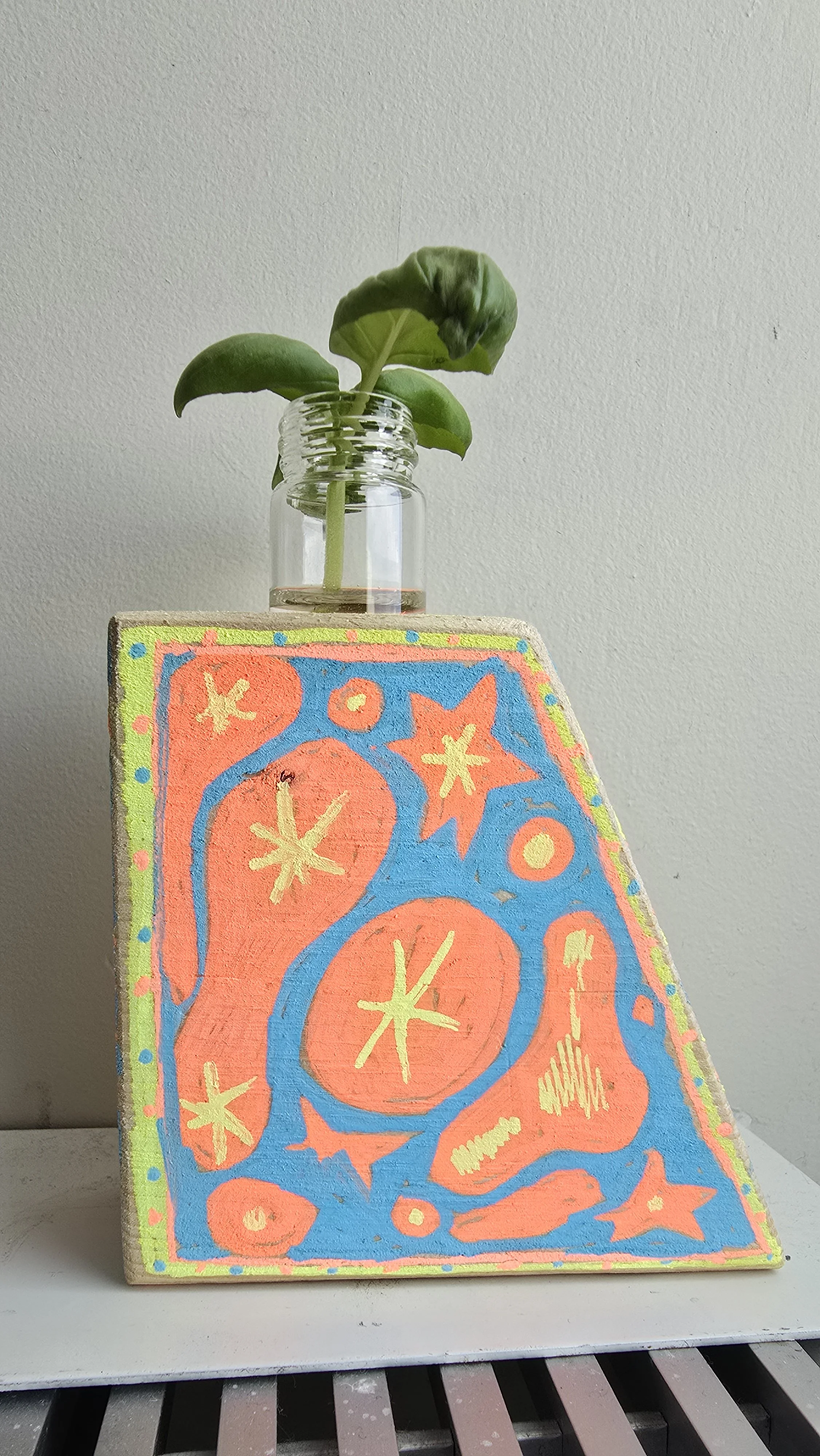
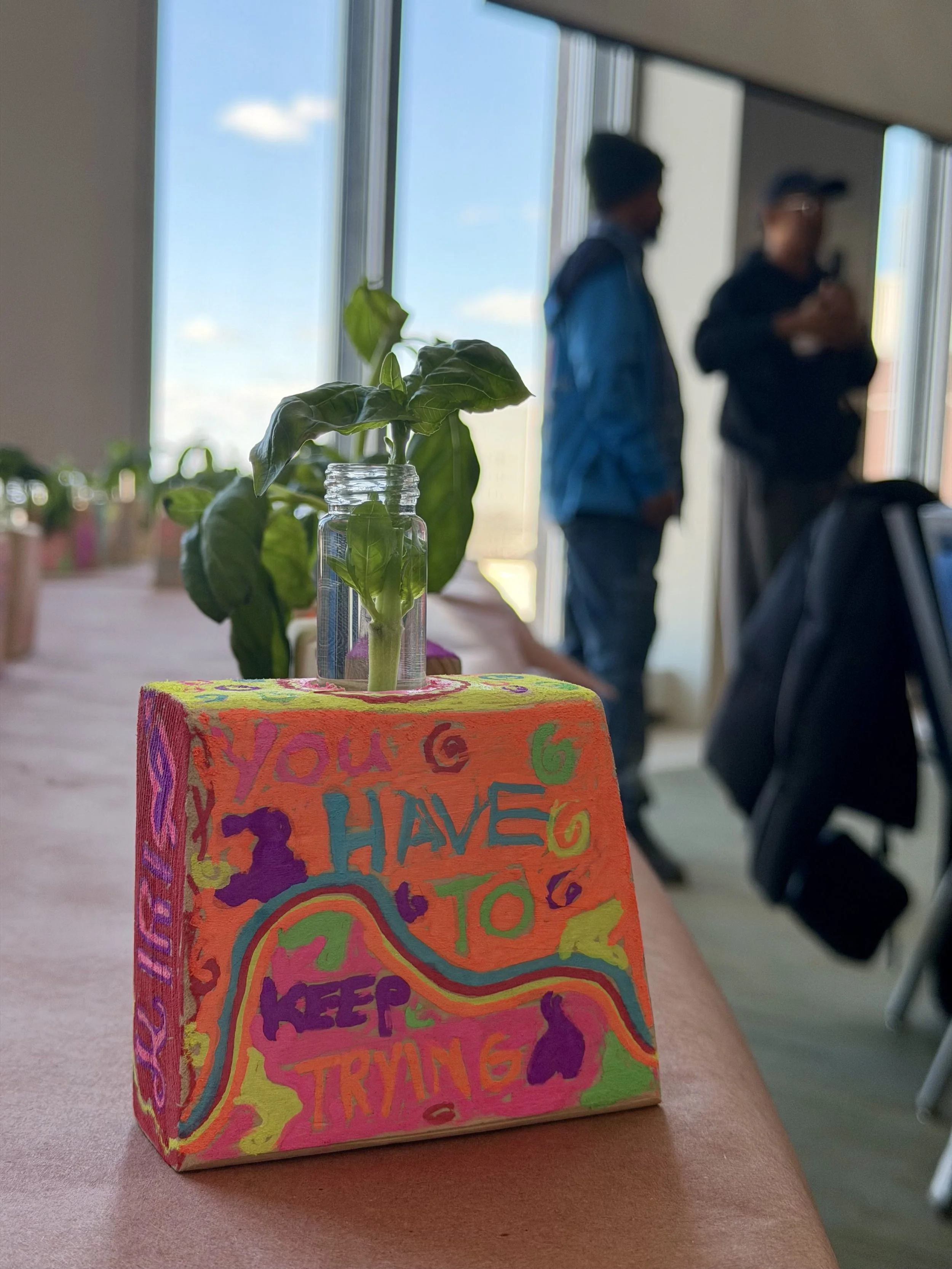
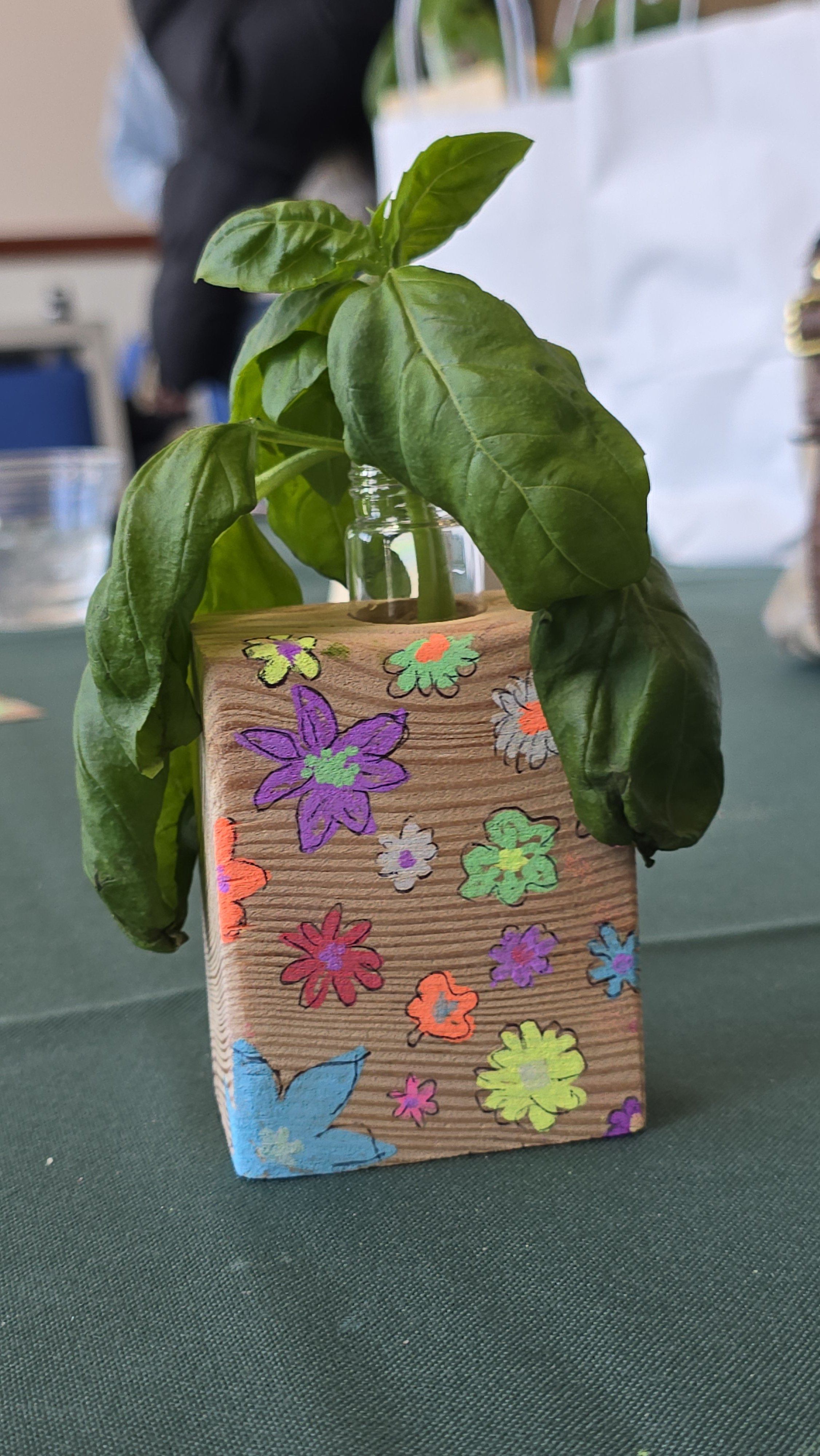
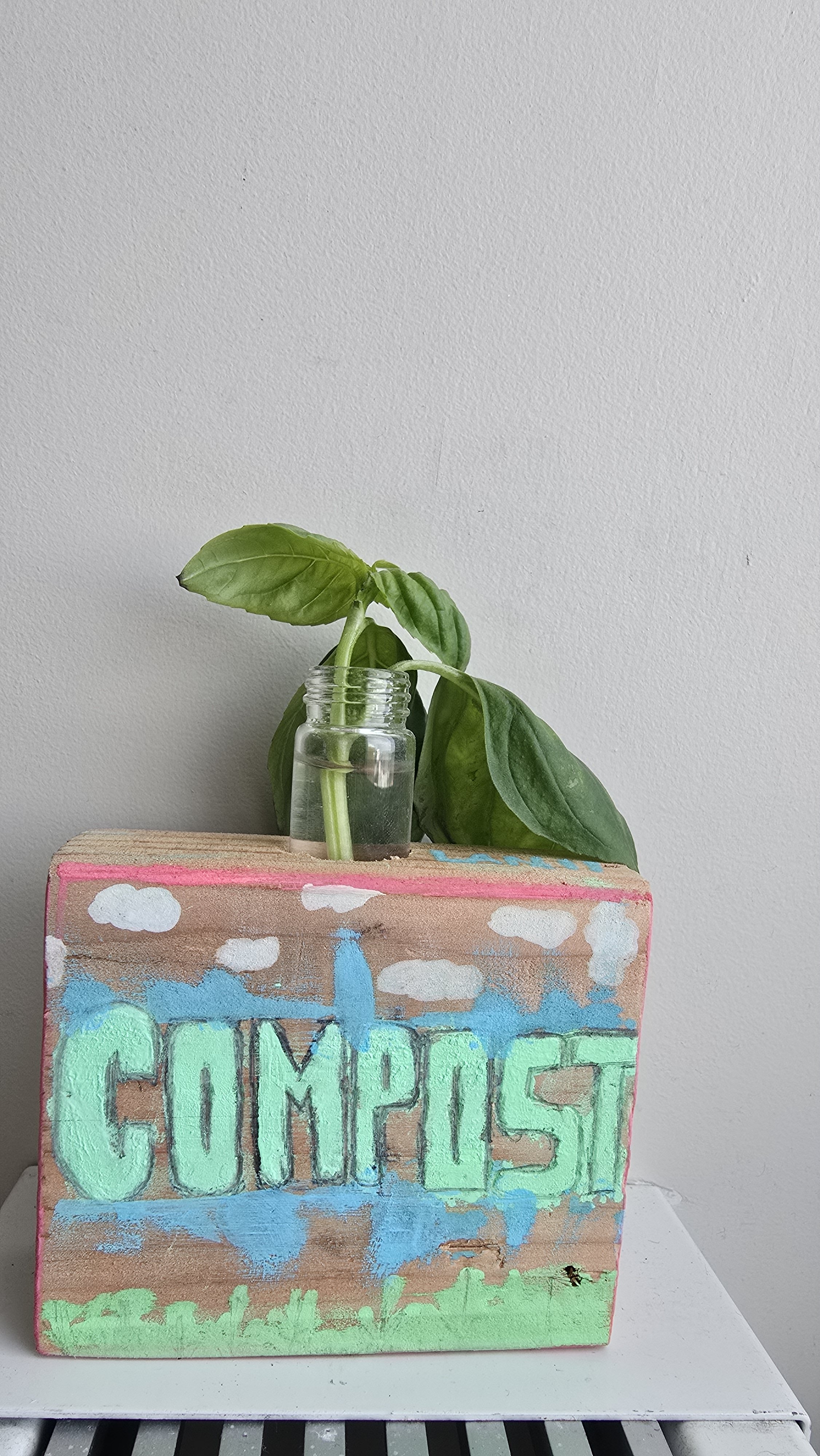
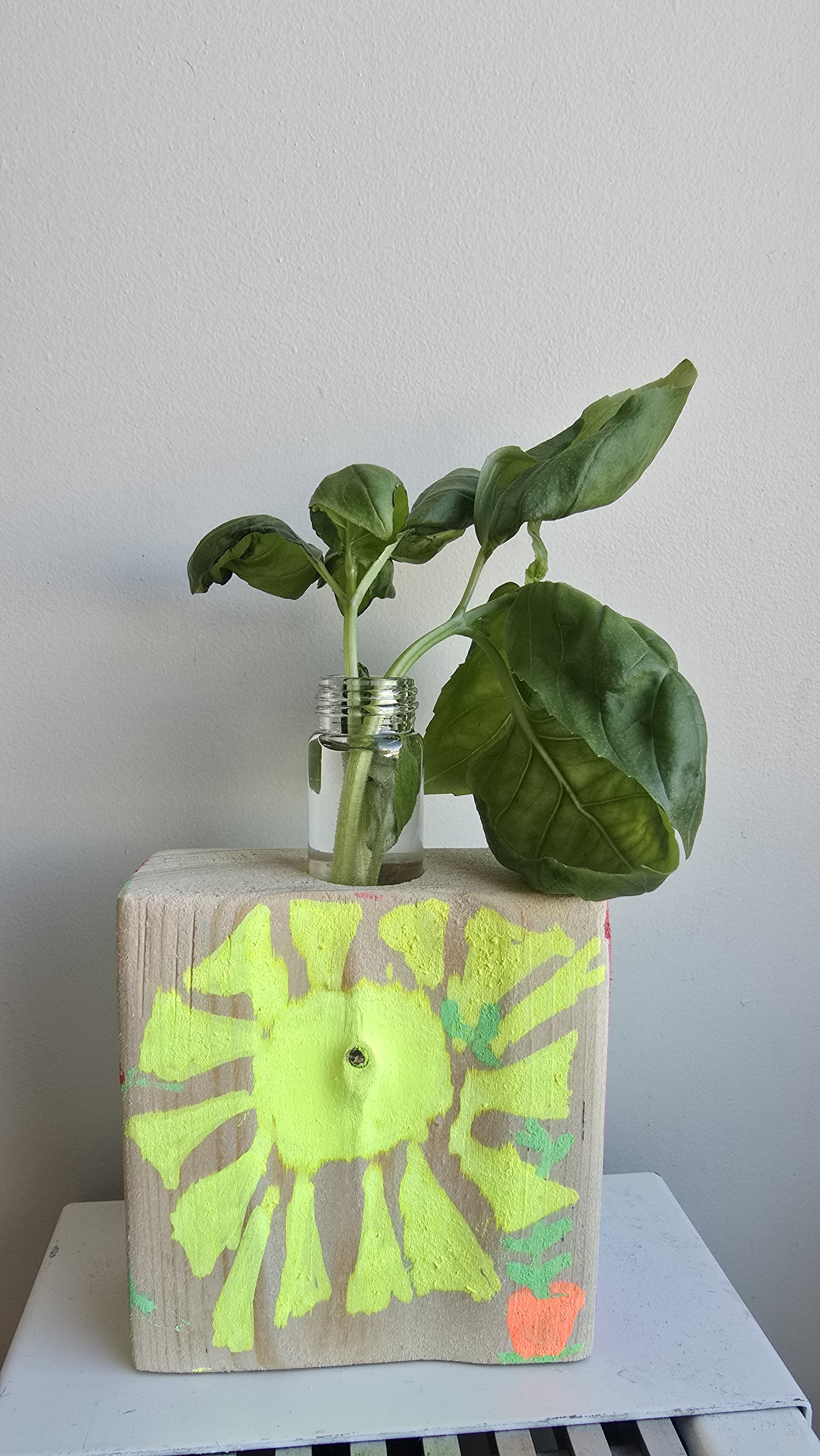
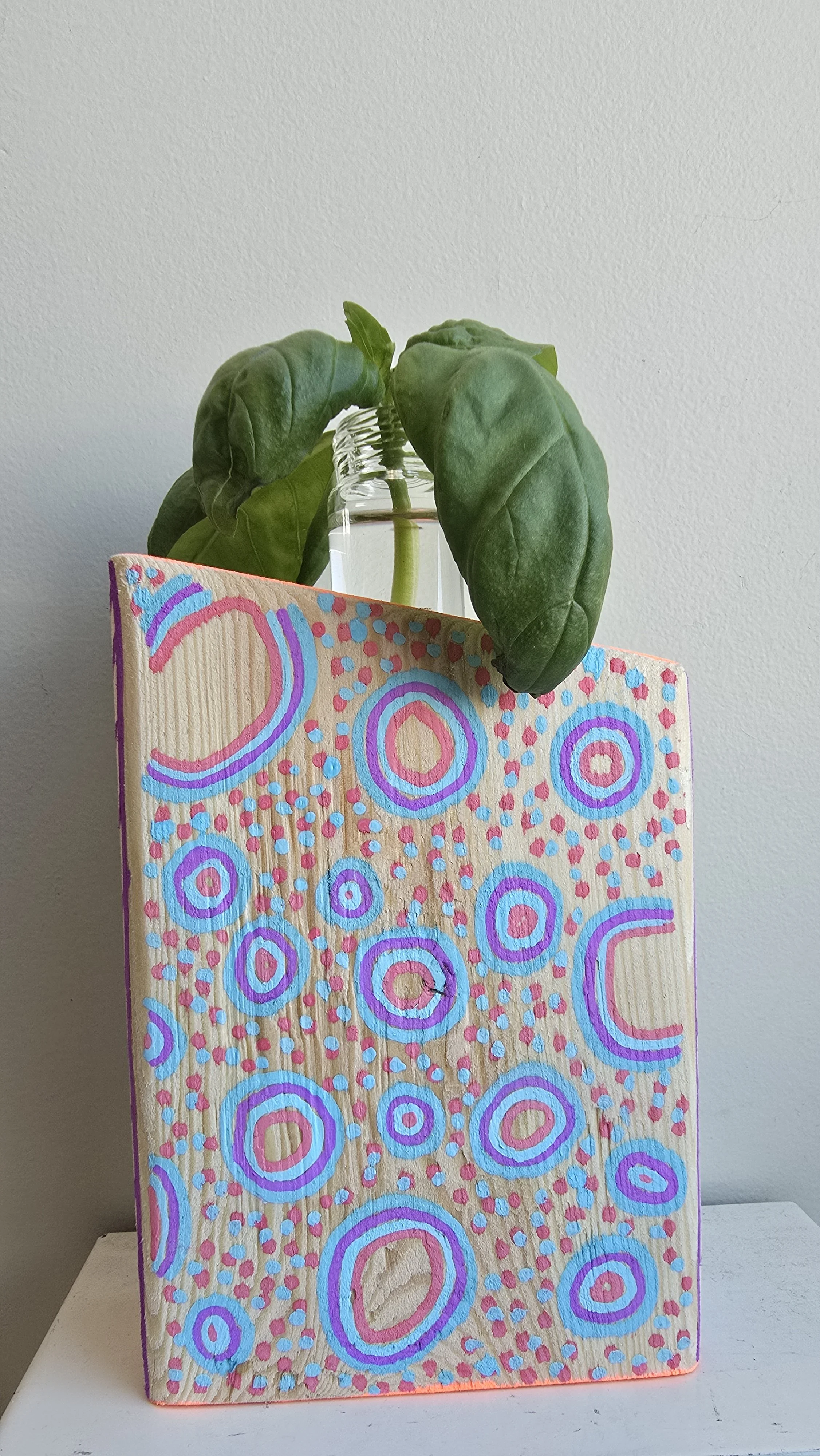
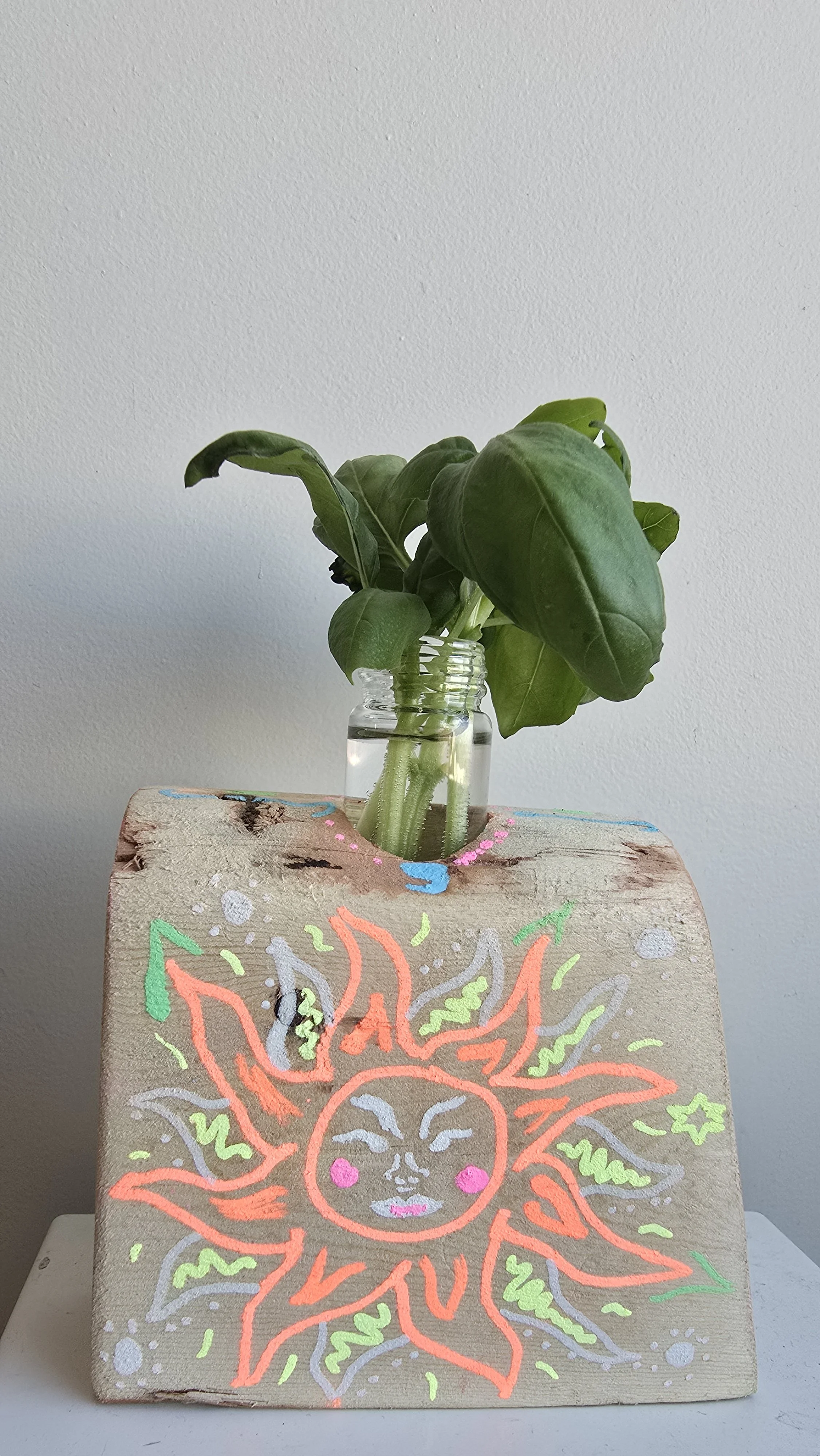
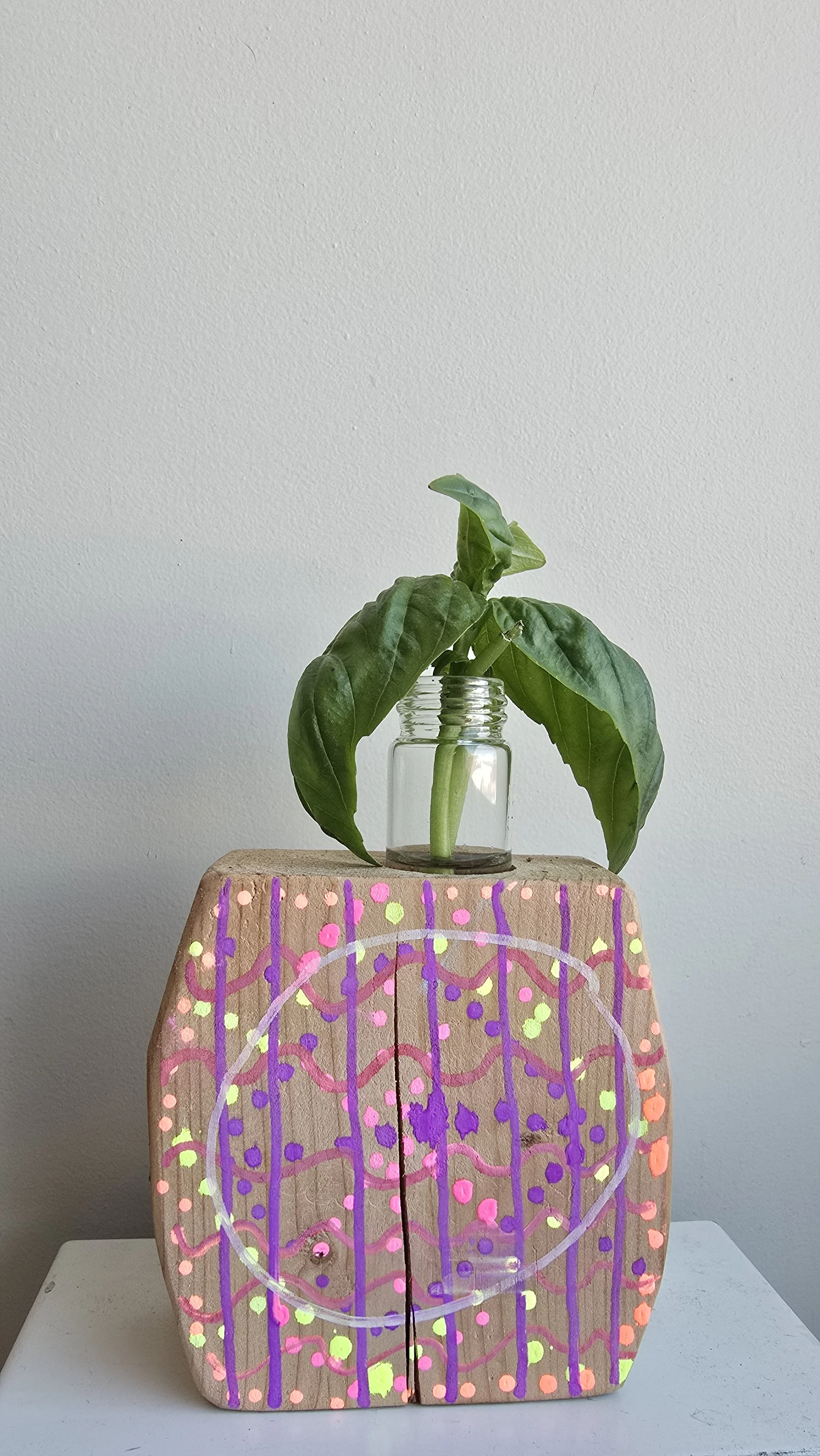
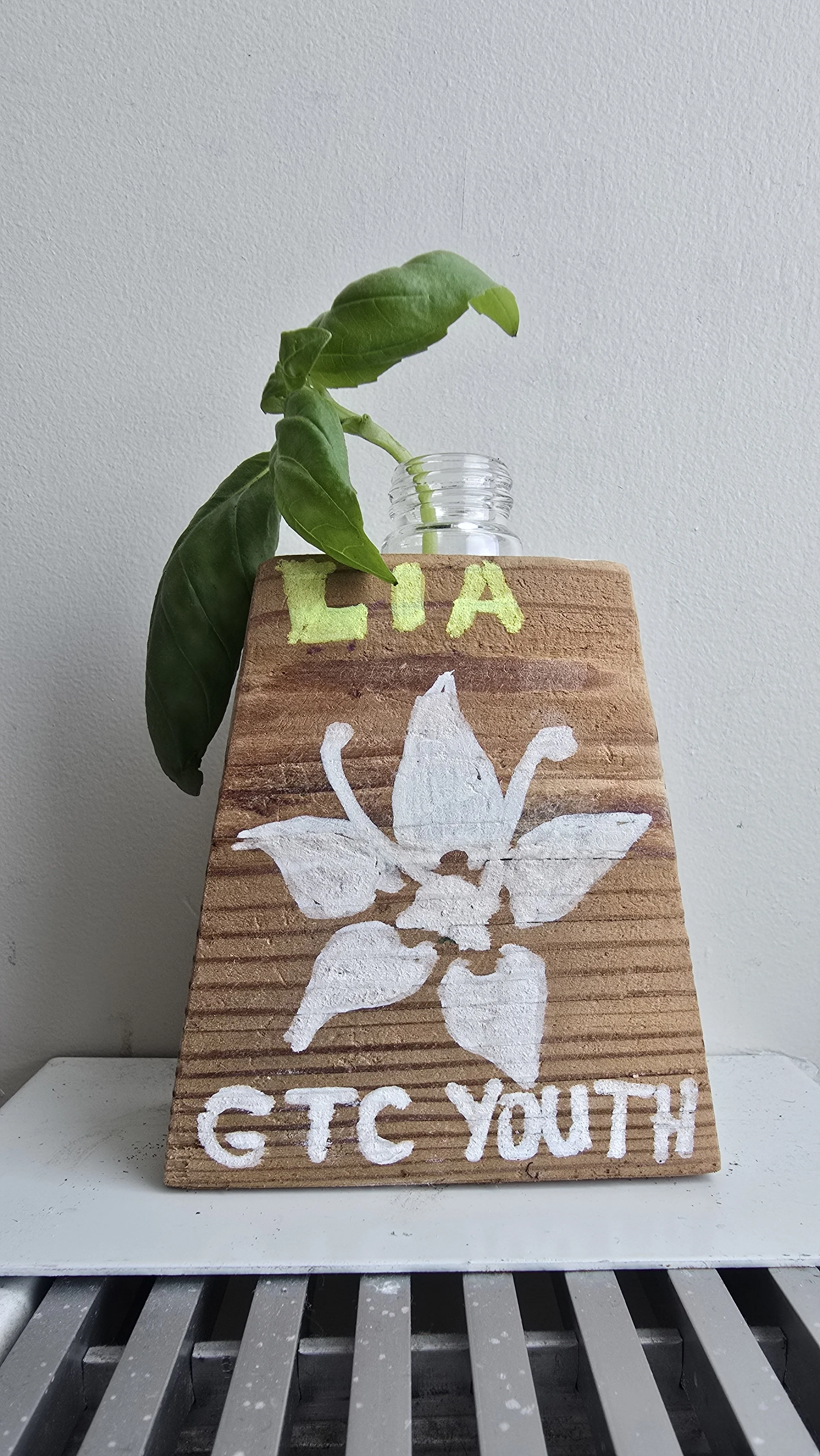
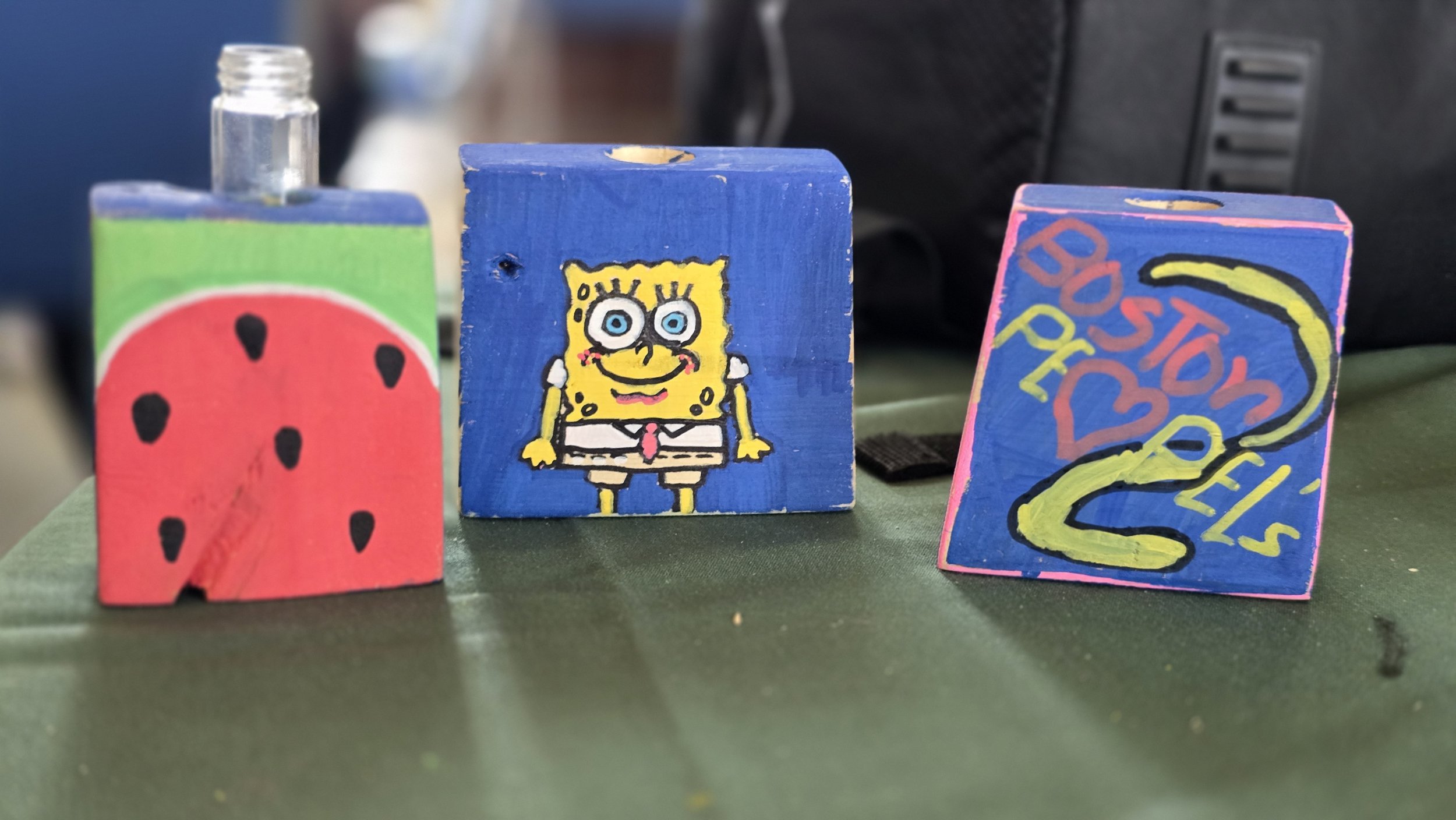
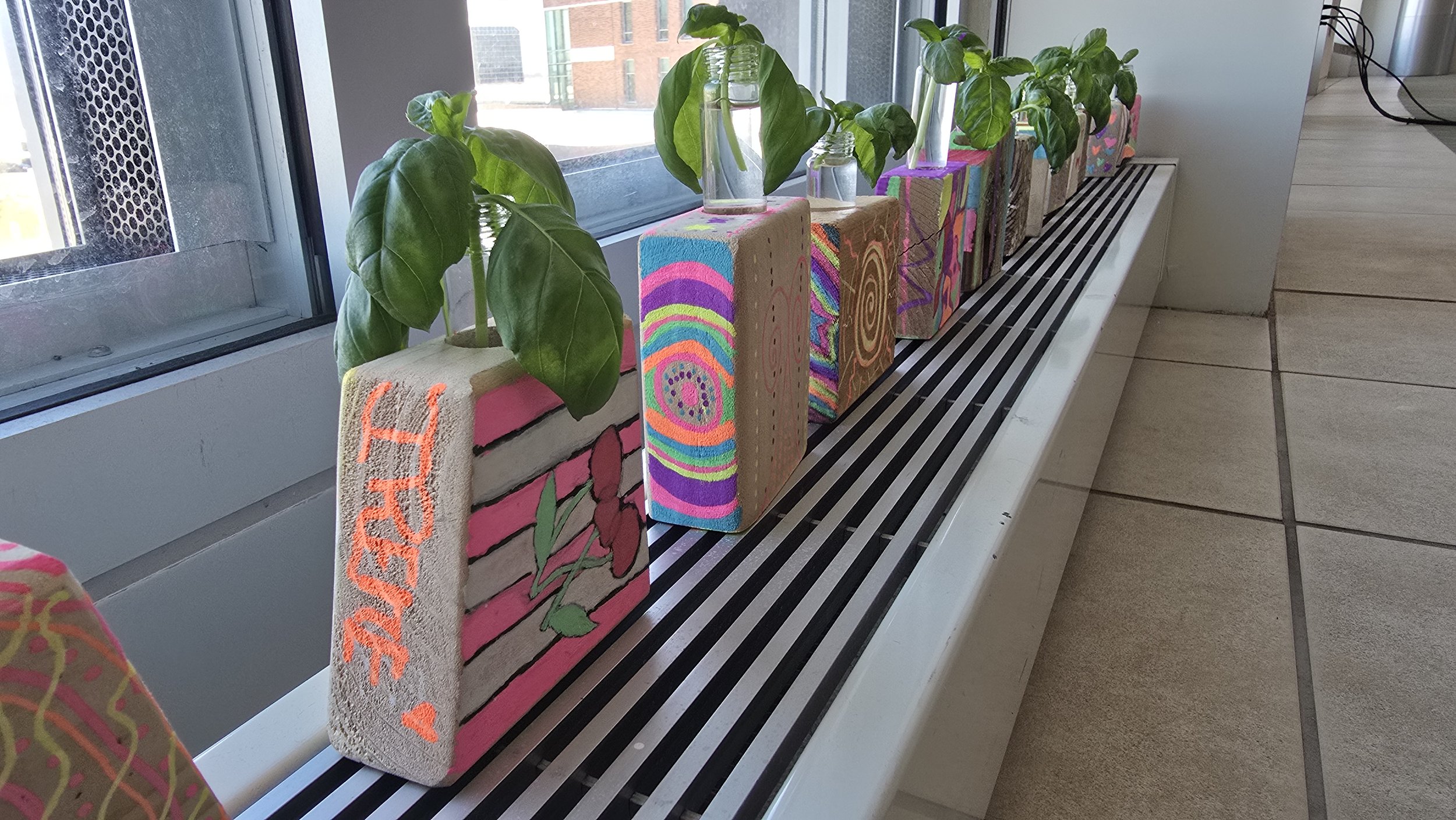
Demonstrating SWF’s practice of “transforming waste into resources,” youth engaged in creating "Prop Blocks"—an ongoing SWF civic arts project that turns 2"x4" reclaimed timber scraps into propagation vessels. Designed as a highly accessible and inviting civic arts project, youth used acrylic markers to design their own custom blocks, turning wood scraps into personalized canvases. Each block holds a glass or plastic vial that houses plant cuttings, allowing participants to witness root growth firsthand and experience the cyclical nature of regeneration. Paired with educational one-sheets from the Communiversity, participants explored how to propagate plants, propagation care techniques, and the power of creative reuse.
Conclusion: Cultivating Living Extensions
Ultimately, Sweet Water Foundation’s global reach demonstrates that true cooperative extension is not about exporting top-down research, but cultivating reciprocal ecosystems of care, learning, and action. From catalyst presentations in Ireland and exhibitions in Singapore to youth civic arts in Boston and weekly cross-city virtual exchanges, SWF demonstrates that grounded, local practice can resonate and regenerate across living ecologies. By grounding dialogue in real-world human relationships and hands-on engagement with the land, the Communiversity transforms theoretical networks into living, breathing extensions of spatial justice—proving that when communities share knowledge, resources, and purpose with deep intention, localized action continuously yields global impact.