2026 Sankofa Living Memories Series
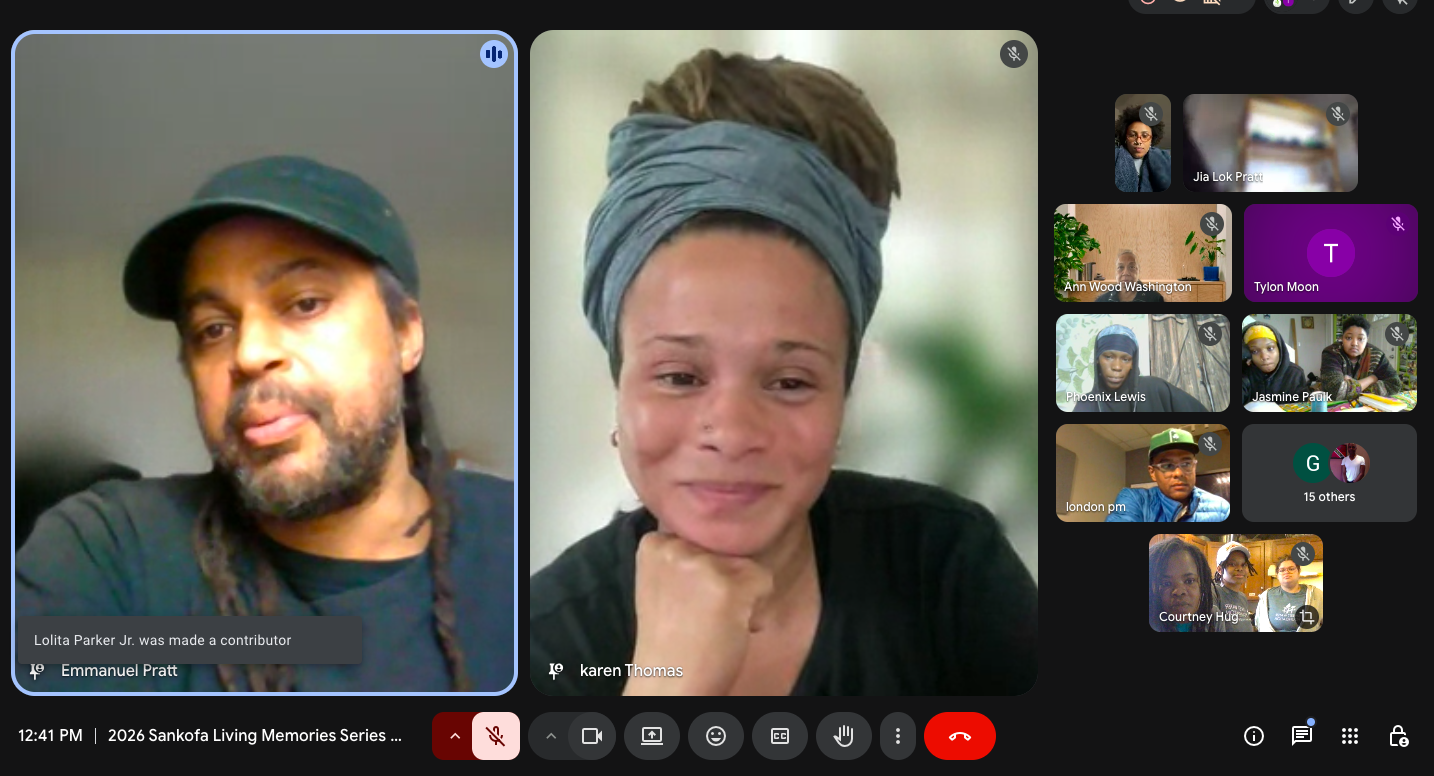
This February, Sweet Water Foundation hosted its Sixth Annual Sankofa Living Memories Series. The series embraces the practice of Sankofa, reaching back to the knowledge and wisdom of the past and bringing it into the present to build a more radical and imaginative future. The three-part series was structured around themes of [Re]Membering, [Re]Generation, and [Re]Mediation, inviting our community to explore how historical legacies, natural cycles, and emerging technologies can be harnessed for collective growth into the future. Read more about this year’s Sankofa Living Memories Series.
[Re]Membering | Friday, February 13
On Friday, February 13, SWF launched the Sankofa Living Memories series with ‘[Re]Membering,’ a session dedicated to honoring ancestors and innovators whose brilliance laid the groundwork for our current practices. The presentation highlighted iconic figures like George Washington Carver and Booker T. Whatley, for their groundbreaking contributions to agroecology, education, and community. The session also celebrated Alma Woodsey Thomas, a lesser-known but profound artist whose meticulous, small patterns scale upward and outward—a perfect visual for SWF’s approach to community building. We also honored Virginia Estelle Randolph, reflecting on her legacy of transformative education. Grounding the session was a powerful quote from Bunyan Bryant:
“Some of us will have to become students of the future.”
The session concluded with a rich discussion about the "one-room schoolhouse" experience. Mama Ann shared a moving story about her mother attending such a school and later returning to cook for the teachers and students. Her loving recollections of the house and the communal care found there reminded us all that [Re]Membering is the act of bringing those ancestral values into our modern spaces.
![2026_Sankofa_[RE]Membering (5).jpg](https://images.squarespace-cdn.com/content/v1/59777179cd39c371b6b11de3/1778183129236-5JM35JD7CIJV4YYJ2EGH/2026_Sankofa_%5BRE%5DMembering+%285%29.jpg)
![2026_Sankofa_[RE]Membering (6).jpg](https://images.squarespace-cdn.com/content/v1/59777179cd39c371b6b11de3/1778183129317-4V9YB2C9GXK97315DETR/2026_Sankofa_%5BRE%5DMembering+%286%29.jpg)
![2026_Sankofa_[RE]Membering (4).jpg](https://images.squarespace-cdn.com/content/v1/59777179cd39c371b6b11de3/1778183130451-CVZVHM21VIVIWQ38FCON/2026_Sankofa_%5BRE%5DMembering+%284%29.jpg)
![2026_Sankofa_[RE]Membering (2).jpg](https://images.squarespace-cdn.com/content/v1/59777179cd39c371b6b11de3/1778183025111-BLS3LI9G9HFZVQ8W8Q9D/2026_Sankofa_%5BRE%5DMembering+%282%29.jpg)
![2026_Sankofa_[RE]Membering (1).jpg](https://images.squarespace-cdn.com/content/v1/59777179cd39c371b6b11de3/1778183026226-70GIO72H7Q9ZD0NI7LXO/2026_Sankofa_%5BRE%5DMembering+%281%29.jpg)
![2026_Sankofa_[RE]Membering (3).jpg](https://images.squarespace-cdn.com/content/v1/59777179cd39c371b6b11de3/1778183025171-FBUR06PTFUX8SX72IWNU/2026_Sankofa_%5BRE%5DMembering+%283%29.jpg)
[Re]Generation | Friday, February 20
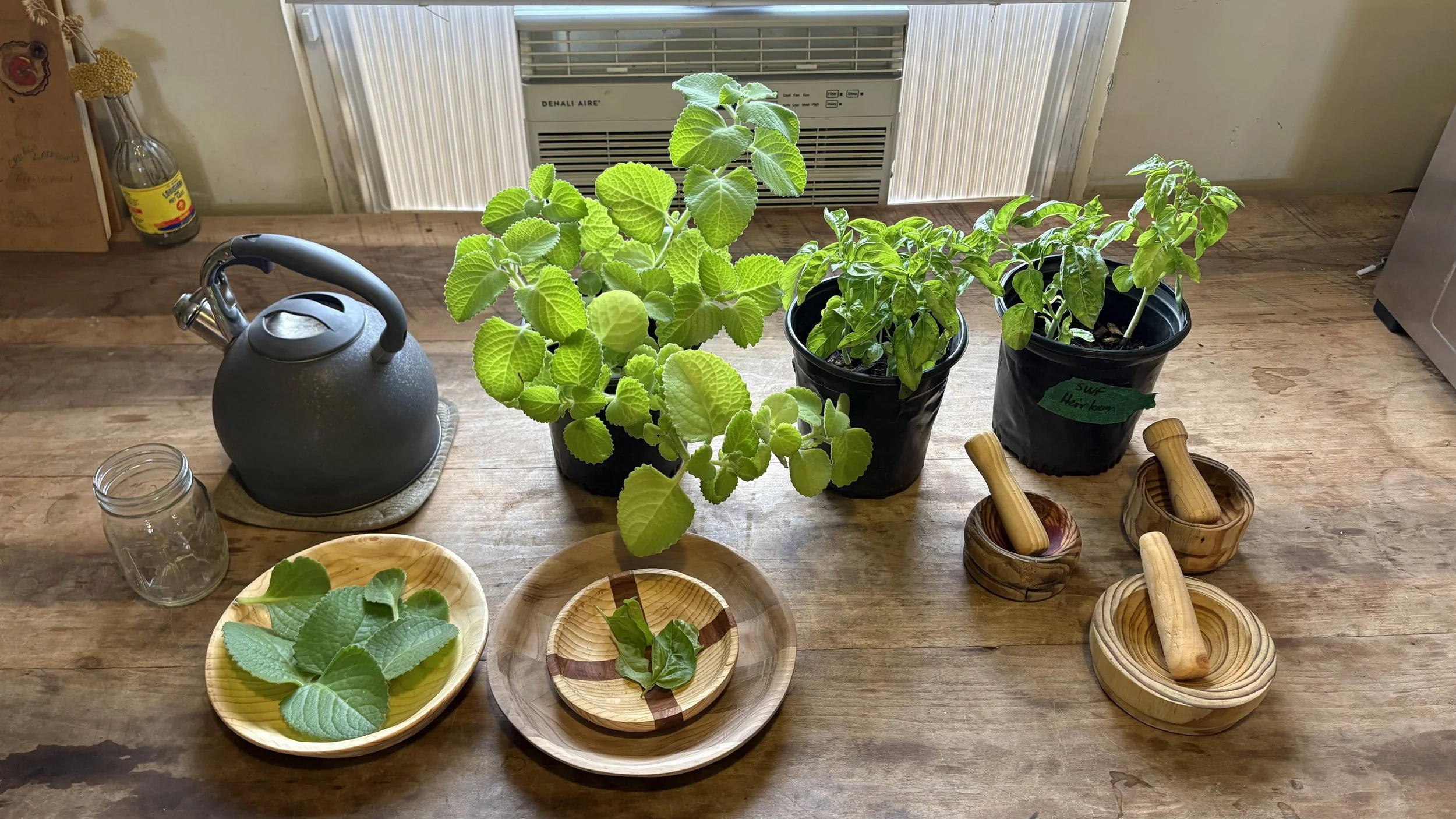
The second session focused on [Re]Generation. We began with a recap of the previous week’s discussion, followed by a presentation that shared SWF’s practice of cultivating plant life indoors as a living demonstration of [Re]Generation. The session detailed how SWF defies the dormant winter season by growing year-round – even during Chicago’s coldest months – utilizing our three Hoop Houses and the Shelf of Life (SOL) installations across two buildings at The Common|Wealth.
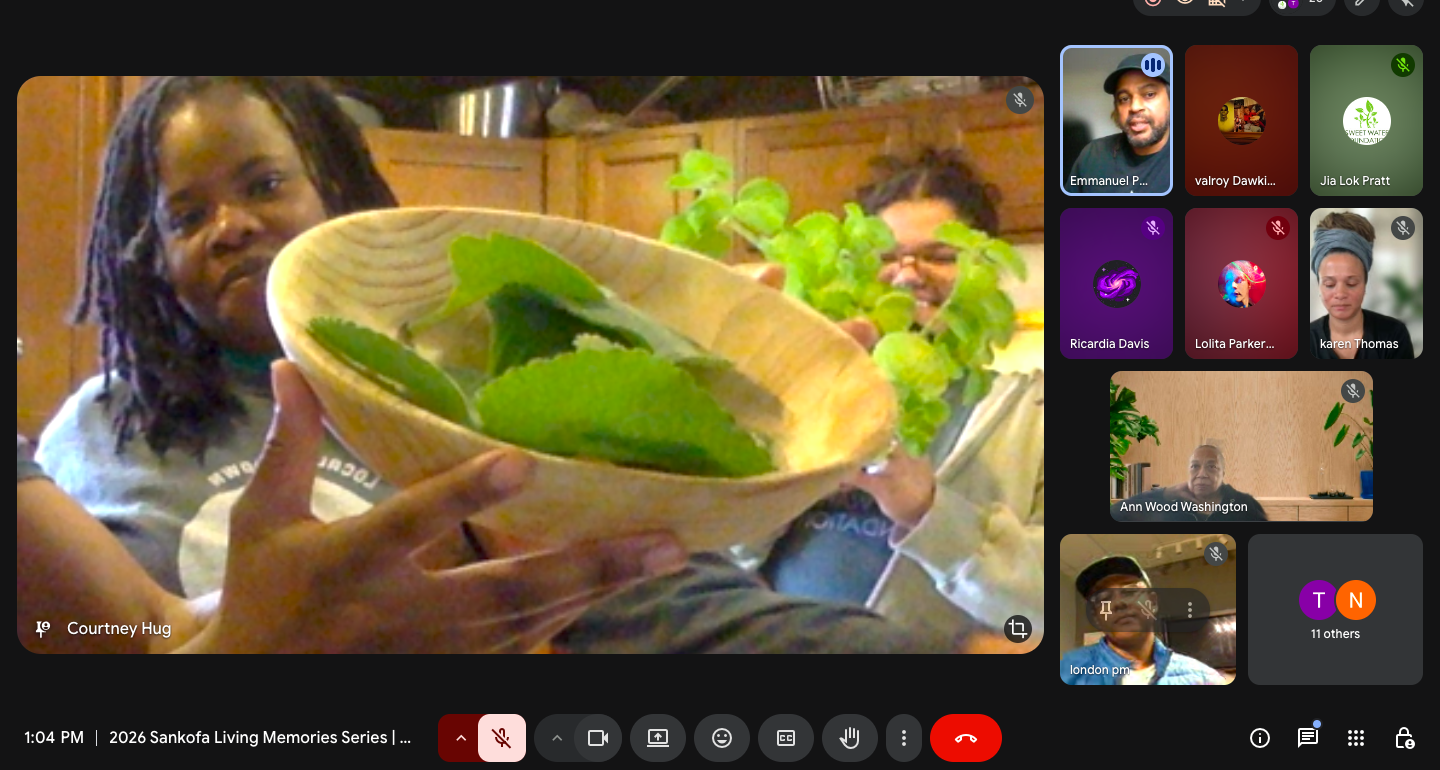
The team presented the results of an ongoing experiment: in the fall of 2025, basil from the Community Garden was propagated and moved indoors to the Shelves of Life to test the year-round cultivation of a hot-weather crop. Vivid imagery of basil plants flourishing in January was shared, along with photos of the weekly team harvest, which provided up to 4 cups of fresh basil all winter long. The thriving Cuban oregano propagated plants on SOL were also showcased, an herb that was gifted to Sweet Water Foundation by community elder, Baba Valroy.
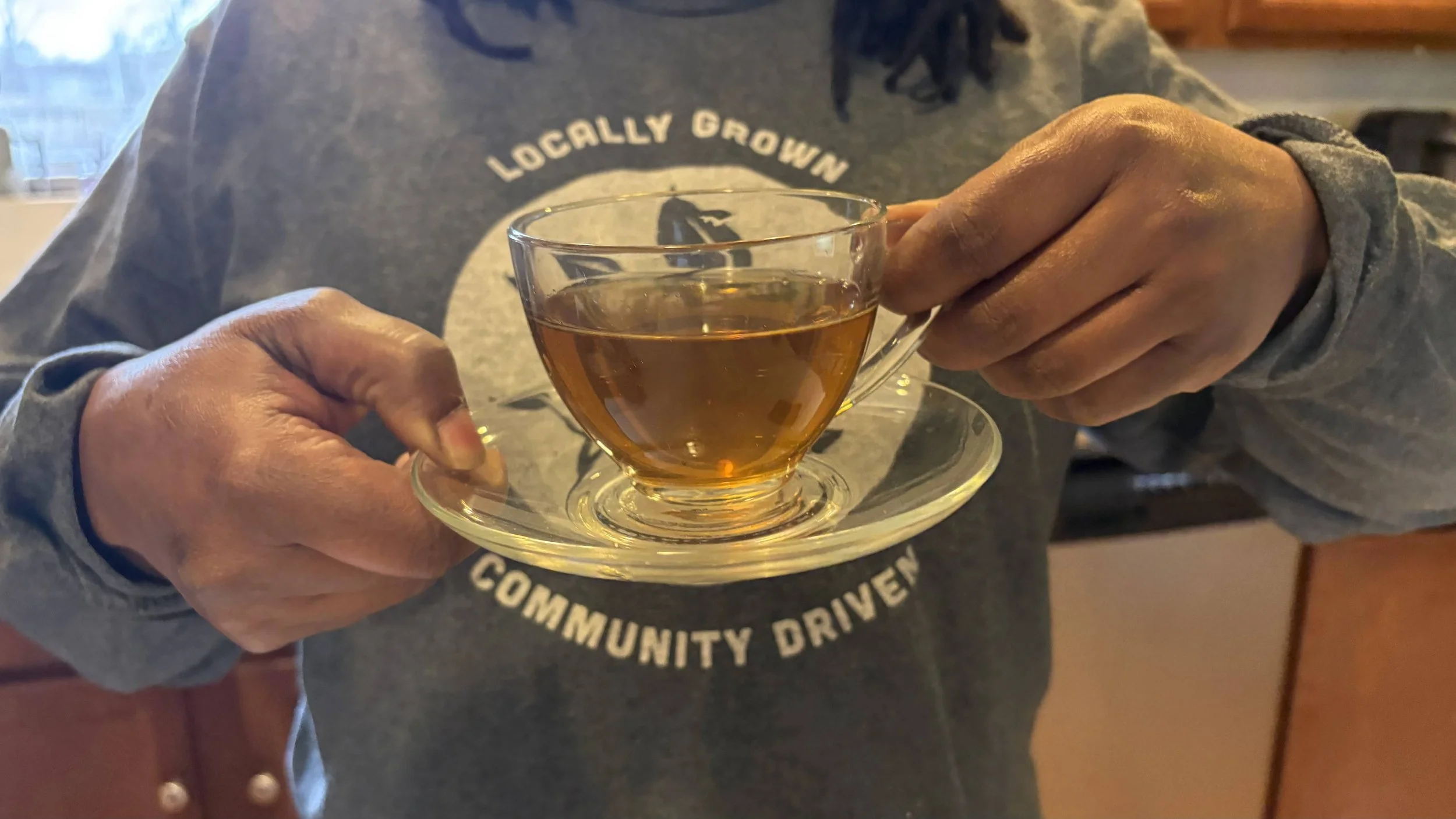
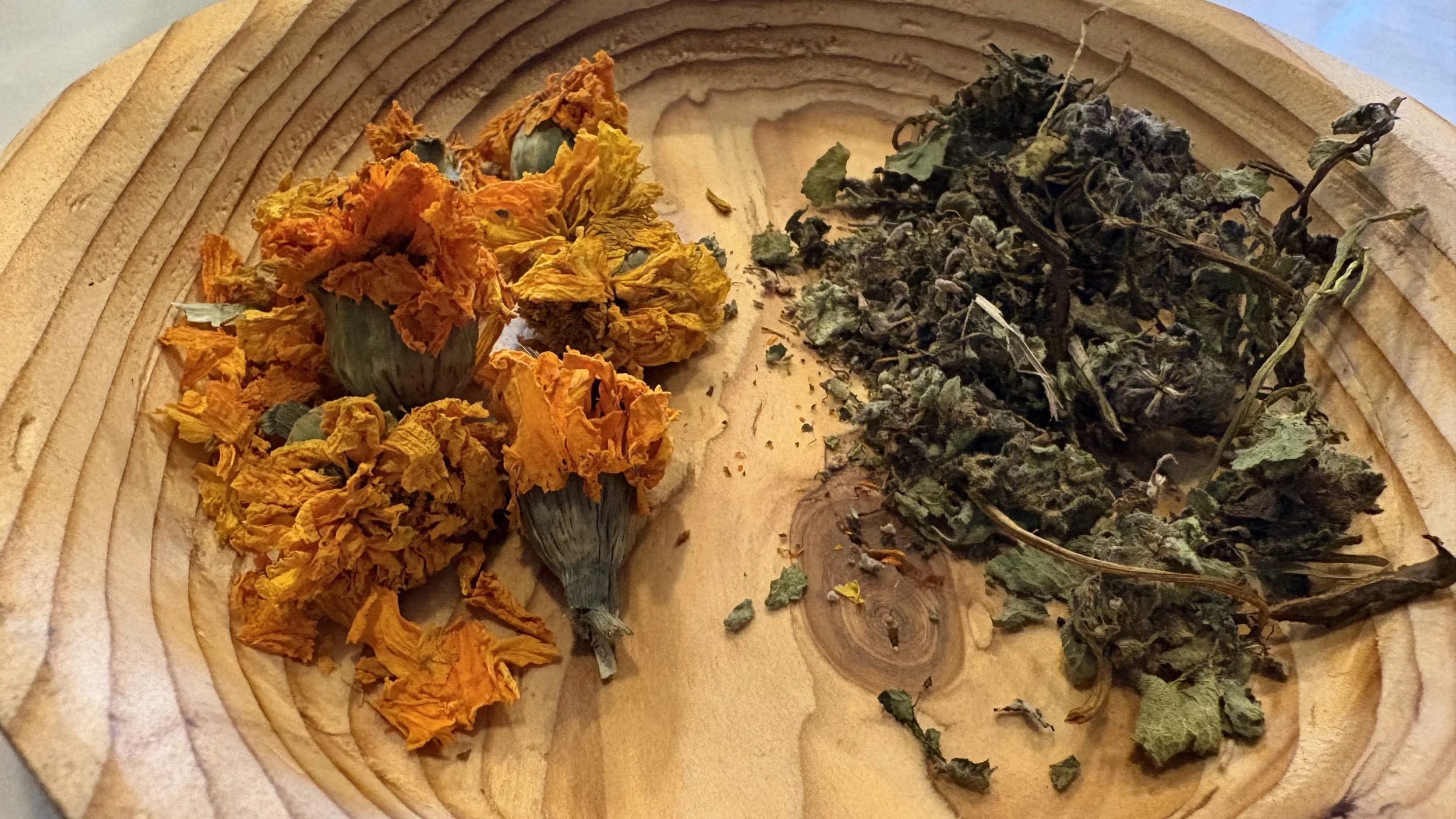
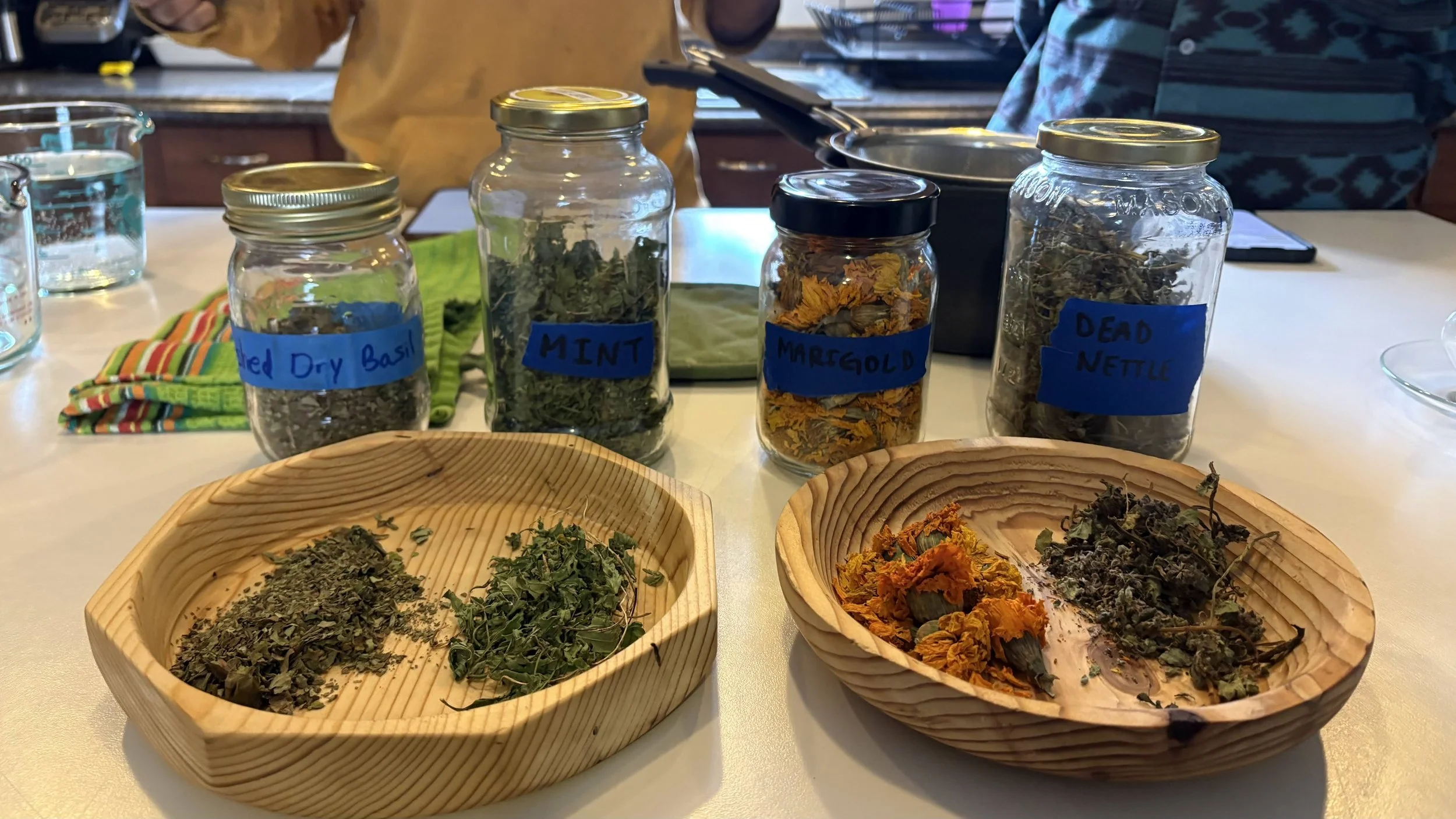
The narrative then shifted from cultivation to ritual. The team discussed how these herbs, while primarily used for cooking, have become central to their daily practice of tea-making. By combining fresh ingredients from the SOL with dried flowers and herbs from the summer harvest, this practice became a vital winter ritual for health and connection.
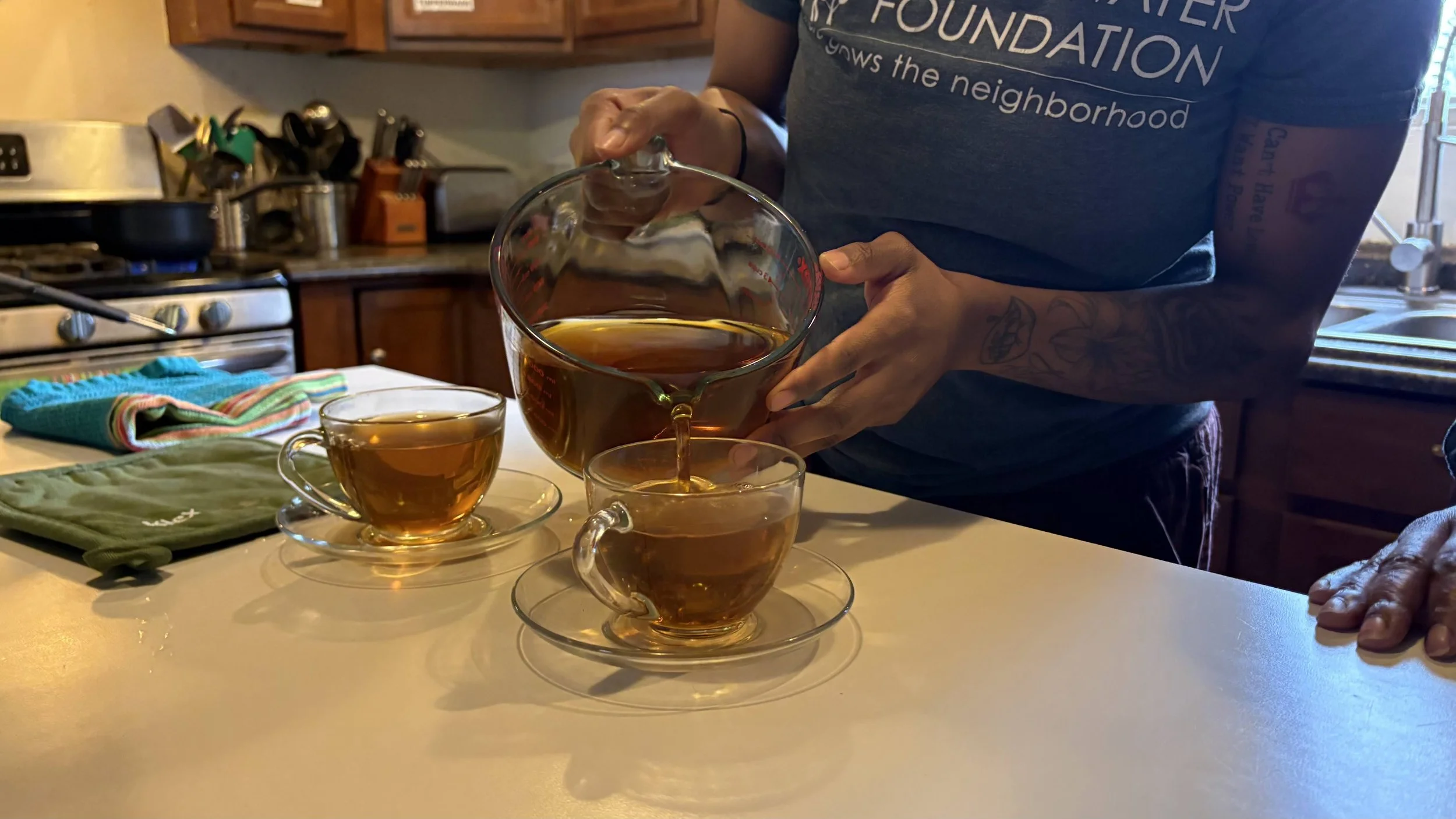
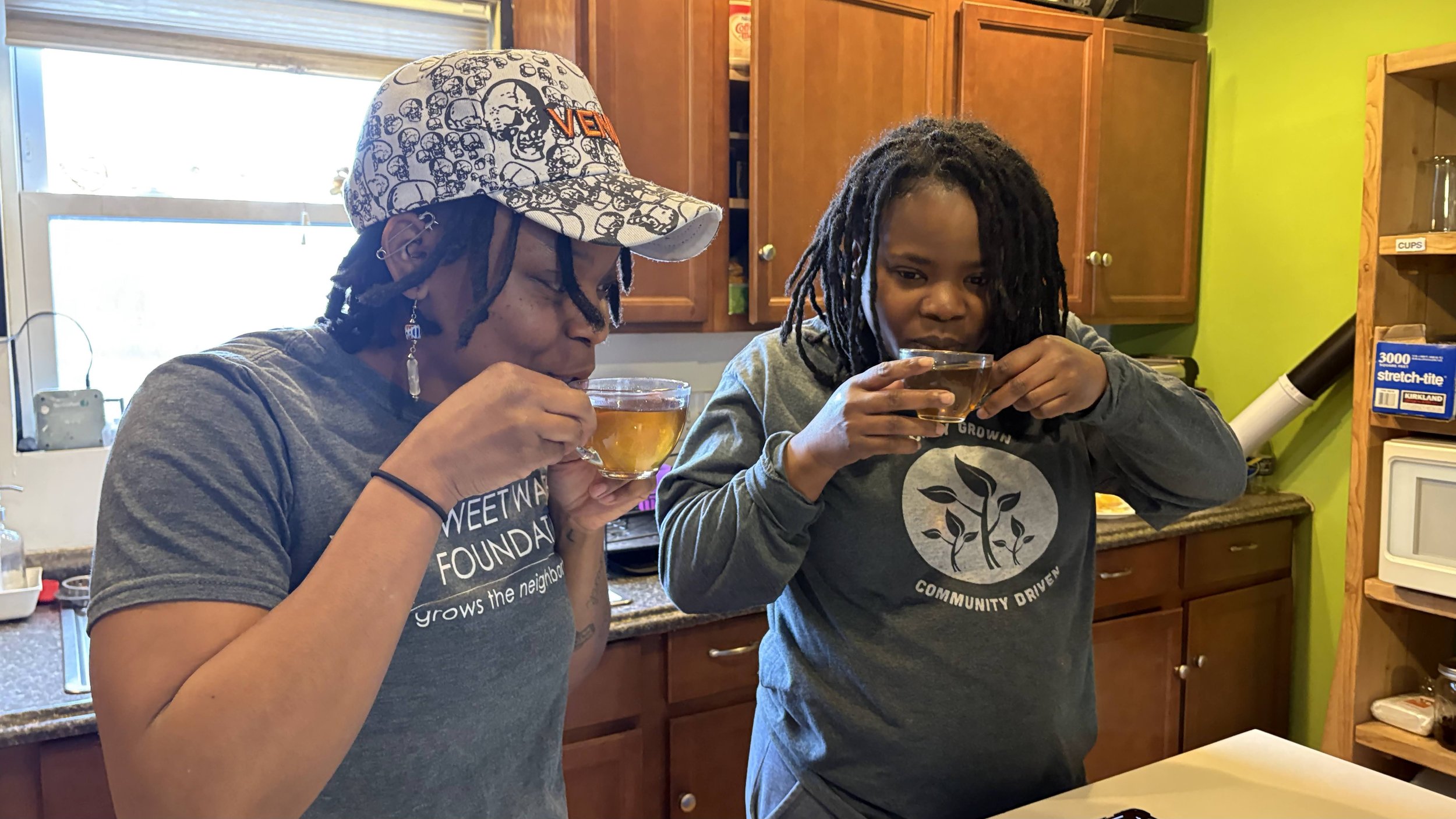
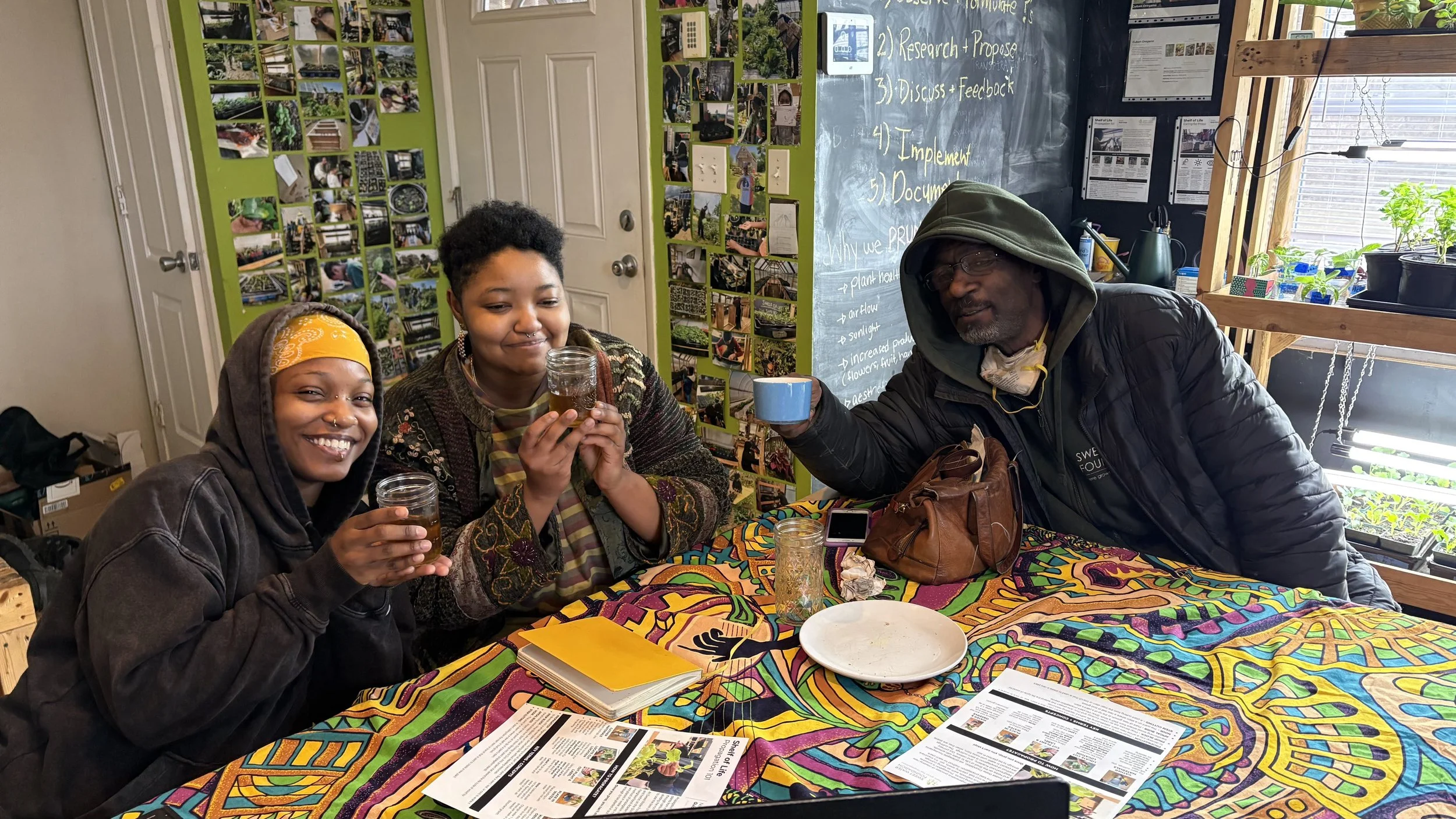
The possibility of regeneration was brought to life through a live tea-making demonstration. The SWF team shared how we stay nourished by blending fresh SOL herbs with ingredients dehydrated during the fall—such as marigold flowers and mint. The conversation also reframed our view of the land by discussing the medicinal properties of "weeds" like dandelion root and dead nettle. In the middle of winter, there is a unique warmth in enjoying a cup of tea made from ingredients harvested directly from the Shelf of Life or preserved with intention from the previous harvest.
[Re]Mediation | Friday, March 6
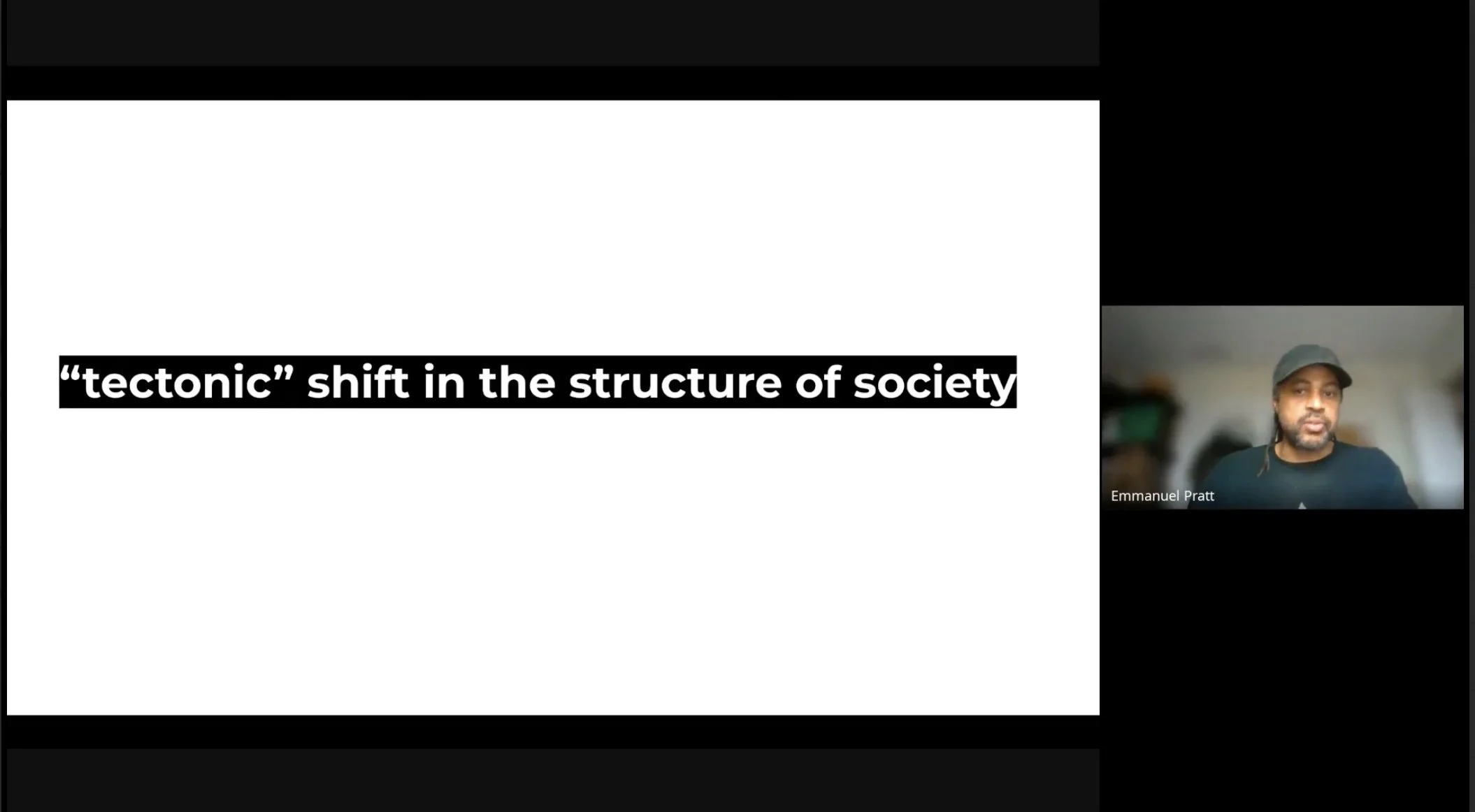
On Friday, March 6, the 2026 Sankofa Living Memories series concluded with a forward-looking session on “[Re]Mediation.” While remediation is typically defined as the process of correcting a situation– often referring to environmental restoration or the educational intervention – SWF views [re]mediation as a more profound transformation: rectifying the narratives that shape our understanding of the world. Through a Sankofa lens, we recalibrate our perspective to remedy the damage caused by biased media, drawing on historical wisdom to contextualize our present and shape our future.
This final session focused on the role of Artificial Intelligence (AI) in shaping narratives, and how we can address its pervasive presence in our lives and shape AI’s influence on our collective future. The discussion framed AI not as a replacement for human connection, but as a potential tool for remediation. Participants explored how individuals and organizations can use emerging technologies to bridge resource and access gaps, amplifying our work without compromising human connection and learning, or ignoring AI’s vast environmental impact.
A dynamic, nuanced, and productive conversation ensued with participants sharing ideas and challenges regarding the application of “AI for good.” The session concluded with a collective reflection on how applying a Sankofa lens to modern tools, such as AI, can ensure they are used to remedy historical biases and help us build a more intentional, regenerative future.